

Why Choose Us stainless steel?
One stop solution
Our customer team is highly skilled, motivated and always ready. No matter if you are following up on an order, looking for advice or looking for a bespoke quotation, our team is here to help.
Custom service
With our manufacturing and design capability, it allows us to not only offer standard products, but also products based on customers’ own specific designs.
High quality
As evidence of this quality, we’ve been awarded third-party accreditations including ISO 9001-2015 and EN-1090-2. These independently verify our technical expertise and confirm that we meet standards set by respected regulatory bodies.
Design
Our design engineers have more than 25 years of experience designing and building molds that offer innovative solutions to complex design challenges.
What is a Stainless Steel Sheet?
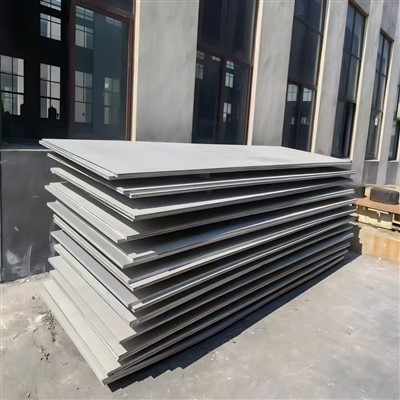
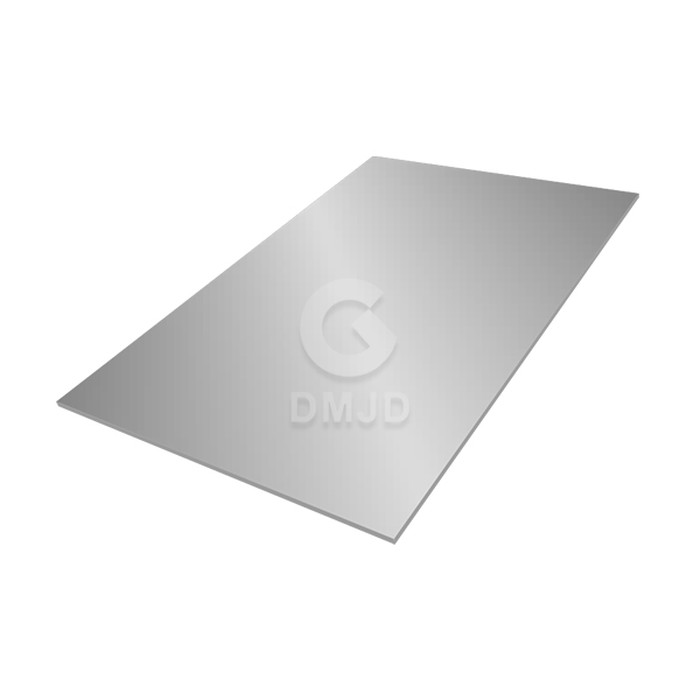
A stainless steel sheet is a flat and thin piece of metal made from an alloy of iron, chromium, and other metals like nickel and molybdenum. It is corrosion-resistant and has high strength and durability, making it a popular choice for a wide range of industrial and commercial applications. Stainless steel sheets come in different grades, finishes, and thicknesses, and can be cut to size to meet specific project requirements.
We supply premium stainless steel sheets/plates at competitive factory-wholesale prices,Factory-direct pricing available for orders of 5+ metric tons,MOQ requirements vary by alloy grade and gauge, with standard minimums starting at 5 metric tons for commodity grades.
Hello, we are Dongmeng Group. We focus on providing high-precision and stable performance grades such as 304/316L/430 stainless steel plates for companies such as precision manufacturing/chemical equipment/food machinery and foreign steel distributors. We are particularly good at solving problems such as surface scratch control/strict thickness tolerance requirements/corrosion resistance assurance. We understand that your company may have specific project needs/regular procurement needs in the near future, and hope to have the opportunity to share how we can help similar customers improve material utilization/guarantee project delivery time/reduce comprehensive procurement costs.
Quality stability and consistency are the core guarantee of our factory. We are directly supplied by large steel mills at the source, with fixed furnace batch number control; fully automatic online testing equipment (such as thickness gauge, surface detector); each batch provides material report (MTC) and third-party test report (such as SGS). Ensure that every plate shipped meets your requirements and minimize the risk of production interruption and customer complaints caused by unqualified materials.
-
![304 2B Stainless Steel Sheet | ASTM A240 AISI 304 / EN 1.4301 Stainless Steel Plate Supplier]() 304 2B Stainless Steel Sheet | ASTM A240 AISI 304 / EN 1.4301 Stainless Steel Plate Sup...Product Name: 304 2B Stainless Steel Sheet. Grade: AISI 304 / UNS S30400 / EN 1.4301 / SUS 304. Surface Finish: 2B, BA, No.1, No.4, Hairline, Mirror. Standard: ASTM A240, ASTM A480, EN 10088, JIS
304 2B Stainless Steel Sheet | ASTM A240 AISI 304 / EN 1.4301 Stainless Steel Plate Sup...Product Name: 304 2B Stainless Steel Sheet. Grade: AISI 304 / UNS S30400 / EN 1.4301 / SUS 304. Surface Finish: 2B, BA, No.1, No.4, Hairline, Mirror. Standard: ASTM A240, ASTM A480, EN 10088, JIS -
![4 X 8 Stainless Steel Sheets]() 4 X 8 Stainless Steel SheetsThickness: typically ranging from 0.1mm to 3mm. Width: typically ranging from 100mm to 2000mm. Length: can be cut to any length as per requirement. Density: 8.03 g/cm3. Hardness: typically around 95
4 X 8 Stainless Steel SheetsThickness: typically ranging from 0.1mm to 3mm. Width: typically ranging from 100mm to 2000mm. Length: can be cut to any length as per requirement. Density: 8.03 g/cm3. Hardness: typically around 95 -
![420 Stainless Steel Plate]() 420 Stainless Steel PlateChemical Composition. The chemical composition of 420 stainless steel plate is as follows:. Carbon: 0.15% - 0.36%. Chromium: 12.00% - 14.00%. Manganese: 1.00% max. Phosphorus: 0.040% max. Sulfur:
420 Stainless Steel PlateChemical Composition. The chemical composition of 420 stainless steel plate is as follows:. Carbon: 0.15% - 0.36%. Chromium: 12.00% - 14.00%. Manganese: 1.00% max. Phosphorus: 0.040% max. Sulfur: -
![201 Stainless Steel Plate Supplier | ASTM A240 S20100 Plate & Sheet]() 201 Stainless Steel Plate Supplier | ASTM A240 S20100 Plate & SheetProduct: 201 Stainless Steel Plate / Sheet. Grade: 201 / UNS S20100 / 1.4372. Standard: ASTM A240 / ASTM A480. Thickness: 0.3mm–100mm. Width: 1000mm–2000mm or customized. Length: 2000mm–6000mm or cut
201 Stainless Steel Plate Supplier | ASTM A240 S20100 Plate & SheetProduct: 201 Stainless Steel Plate / Sheet. Grade: 201 / UNS S20100 / 1.4372. Standard: ASTM A240 / ASTM A480. Thickness: 0.3mm–100mm. Width: 1000mm–2000mm or customized. Length: 2000mm–6000mm or cut -
![Mirror Finish Stainless Steel Sheet]() Mirror Finish Stainless Steel SheetThe chemical composition of mirror stainless steel sheet typically includes:. Carbon (C): ≤ 0.08%. Silicon (Si): ≤ 1.00%. Manganese (Mn): ≤ 2.00%. Phosphorus (P): ≤ 0.045%. Sulfur (S): ≤ 0.030%.
Mirror Finish Stainless Steel SheetThe chemical composition of mirror stainless steel sheet typically includes:. Carbon (C): ≤ 0.08%. Silicon (Si): ≤ 1.00%. Manganese (Mn): ≤ 2.00%. Phosphorus (P): ≤ 0.045%. Sulfur (S): ≤ 0.030%. -
![316 2B Stainless Steel Sheet Supplier]() 316 2B Stainless Steel Sheet SupplierProduct Name: 316 2B Stainless Steel Sheet. Grade: AISI 316 / UNS S31600 / EN 1.4401 / SUS 316. Standard: ASTM A240 / ASME SA240 / EN 10088 / JIS G4304 / JIS G4305. Surface Finish: 2B Cold Rolled
316 2B Stainless Steel Sheet SupplierProduct Name: 316 2B Stainless Steel Sheet. Grade: AISI 316 / UNS S31600 / EN 1.4401 / SUS 316. Standard: ASTM A240 / ASME SA240 / EN 10088 / JIS G4304 / JIS G4305. Surface Finish: 2B Cold Rolled -
![20 Gauge 316 Stainless Steel Sheet]() 20 Gauge 316 Stainless Steel Sheet—Material :20 gauge 316 stainless steel sheet . —Thickness: 0.25-6.0mm. —Size: Customized Size: available at requirement. —ISO 9001:2015 certified
20 Gauge 316 Stainless Steel Sheet—Material :20 gauge 316 stainless steel sheet . —Thickness: 0.25-6.0mm. —Size: Customized Size: available at requirement. —ISO 9001:2015 certified -
![14 Inch 316 Stainless Steel Plate]() 14 Inch 316 Stainless Steel Plate—Material :14 inch 316 stainless steel plate . —Thickness: 0.25-6.0mm. —Size: Customized Size: available at requirement. —ISO 9001:2015 certified
14 Inch 316 Stainless Steel Plate—Material :14 inch 316 stainless steel plate . —Thickness: 0.25-6.0mm. —Size: Customized Size: available at requirement. —ISO 9001:2015 certified -
![SS 316 Sheet Price Per KG]() SS 316 Sheet Price Per KG—Material :SS 316 Sheet Price Per KG . —Thickness: 0.25-6.0mm. —Size: Customized Size: available at requirement. —ISO 9001:2015 certified
SS 316 Sheet Price Per KG—Material :SS 316 Sheet Price Per KG . —Thickness: 0.25-6.0mm. —Size: Customized Size: available at requirement. —ISO 9001:2015 certified -
![ASTM A240 316L Stainless Steel Plate Supplier | UNS S31603 Plate]() ASTM A240 316L Stainless Steel Plate Supplier | UNS S31603 PlateProduct Name: 316L Stainless Steel Plate. Standard: ASTM A240 / ASME SA240 / EN 10088. Grade: 316L / UNS S31603 / EN 1.4404 / 1.4432. Thickness: 3–100mm or Custom. Width: 1000 / 1219 / 1500 / 2000mm.
ASTM A240 316L Stainless Steel Plate Supplier | UNS S31603 PlateProduct Name: 316L Stainless Steel Plate. Standard: ASTM A240 / ASME SA240 / EN 10088. Grade: 316L / UNS S31603 / EN 1.4404 / 1.4432. Thickness: 3–100mm or Custom. Width: 1000 / 1219 / 1500 / 2000mm. -
![316L Stainless Steel Heavy Plate Manufacturer & Supplier | Dongmeng Group]() 316L Stainless Steel Heavy Plate Manufacturer & Supplier | Dongmeng GroupProduct Name: 316L Stainless Steel Heavy Plate / Thick Plate. Material Grade: ASTM 316L / UNS S31603 / EN 1.4404. Recommended Thickness: 6–100 mm. Typical Thicknesses: 6 / 8 / 10 / 12 / 15 / 16 / 20
316L Stainless Steel Heavy Plate Manufacturer & Supplier | Dongmeng GroupProduct Name: 316L Stainless Steel Heavy Plate / Thick Plate. Material Grade: ASTM 316L / UNS S31603 / EN 1.4404. Recommended Thickness: 6–100 mm. Typical Thicknesses: 6 / 8 / 10 / 12 / 15 / 16 / 20 -
![316L Stainless Steel Sheet Supplier | ASTM A240 UNS S31603 Stainless Steel Sheet Manufacturer]() 316L Stainless Steel Sheet Supplier | ASTM A240 UNS S31603 Stainless Steel Sheet Manufa...Product Name: 316L Stainless Steel Sheet. Grade: 316L / UNS S31603 / EN 1.4404 / SUS316L. Standard: ASTM A240 / ASME SA240 / ASTM A480. Thickness: 0.25–6.0mm, custom available. Width: 1000 / 1219 /
316L Stainless Steel Sheet Supplier | ASTM A240 UNS S31603 Stainless Steel Sheet Manufa...Product Name: 316L Stainless Steel Sheet. Grade: 316L / UNS S31603 / EN 1.4404 / SUS316L. Standard: ASTM A240 / ASME SA240 / ASTM A480. Thickness: 0.25–6.0mm, custom available. Width: 1000 / 1219 /


Benefits of Stainless Steel Sheet
Strong and durable
The foremost and prime benefit of stainless steel sheets is they are strong and durable. Steel sheets are very much compatible with carrying loads. For its extreme strength and durability, stainless steel is a perfect option for making different commercial products.
Corrosion free
The next benefit of stainless steel sheet is its corrosion resistance. The steel sheets you get from various stainless steel sheets exporters are extremely resistant to extreme heat and moisture. Therefore stainless steel sheets are free from any oxidative damage or rust.
Adaptability
As we discussed earlier that stainless steel sheets are extremely versatile and can be provided in any shape or any form. So you can customize these sheets as per your preferred sizes, and shapes and according to the place of installation. This feature makes stainless steel sheets a sound option for making multiple industrial merchandise.
Rust free
It’s unnecessary to describe that stainless steel is extremely rust-free. Any other metal is more prone to rust. But stainless steel has no such chance. Due to its excellent structure, stainless steel sheets are free from rust. For this reason, stainless steel is extremely easy to maintain without any hefty charges.
It Is heat resistant
Stainless steel sheet is a good choice for high-temperature applications, especially those that require a high level of corrosion resistance. This material resists oxidation and scaling at temperatures of up to 2,000 degF (1100 degC).
Non porous structure
The advantages of using stainless steel for sheet metal fabrication are numerous. The material's tensile strength, resistance to corrosion, and shinny appearance make it ideal for various applications. Products ranging from airplanes to subway trains have used stainless steel components.
Types of Stainless Steel Sheet
Ferritic stainless steel
With a similar structure to low alloy steels, ferritic stainless steel boasts strong resistance to corrosion cracking. Containing little to no nickel, it is a cost-effective stainless steel that typically has a significant percentage of chromium (11.2% - 19%).
Austenitic stainless steel
Austenitic stainless steel is the most common variety of stainless steel, making up more than 70% of overall production. It’s a well-rounded stainless steel, with adequate weldability, formability, and creep resistance.Unlike ferritic steel, austenitic varieties are for all intents and purposes non-magnetic.When you add a large proportion of molybdenum (over 6%), the steel becomes super austenitic, which gives it better protection against crevice corrosion and cracking.
Martensitic stainless steel
Martensitic stainless steel contains chromium, nickel, molybdenum, and carbon, which makes for a more brittle microstructure. Martensitic stainless steel is generally tougher than the austenitic and ferritic varieties.Though they have relatively low formability, these alloys can be tempered as you would with carbon steels.
Duplex stainless steel
These hybrid alloys are called duplex because the composition is about 50% austenitic and 50% ferritic. By combining the two microstructures, you end up with a new form that has more strength than both.The strong composition also leads to improved corrosion resistance and stress cracking resistance.
Precipitation hardened stainless steel
This martensitic stainless steel type has been made even stronger by adding aluminum, copper, and niobium, in conjunction with a precipitation hardening process. It involves heat-treating the metal to create particles in the crystal lattice, which help to stop irregularities in the microstructure and boost the alloy’s overall strength.
International Standards Comparison: 304 Stainless Steel
| Standard | Grade | C (max) | Cr | Ni | Key Requirements | Certification |
|---|---|---|---|---|---|---|
| ASTM (US) | UNS S30400 | 0.08% | 18.0-20.0% | 8.0-10.5% | Mn≤2.0%, Si≤0.75% | ASME SA240 |
| EN (EU) | 1.4301 | 0.07% | 17.5-19.5% | 8.0-10.5% | N≤0.11% (stricter than ASTM) | PED 2014/68/EU |
| JIS (JP) | SUS 304 | 0.08% | 18.0-20.0% | 8.0-10.5% | Cu≤0.30% (unique requirement) | JIS G 4303 |
| GB (CN) | 06Cr19Ni10 | 0.08% | 18.0-20.0% | 8.0-11.0% | P≤0.045%, S≤0.030% | GB/T 4237 |
| ISO | X5CrNi18-10 | 0.07% | 17.5-19.5% | 8.0-10.5% | Fully aligned with EN 1.4301 | ISO 15510 |
| GOST (RU) | 08Х18Н10 | 0.08% | 17.0-19.0% | 9.0-11.0% | Ti≤0.50% (anti-sensitization) | GOST 5632 |
Low-Carbon Variants (304L) Comparison
| Standard | Grade | C (max) | Critical Difference | Primary Applications |
|---|---|---|---|---|
| ASTM | S30403 | 0.030% | Extra-low carbon controls weld decay | Welded chemical equipment |
| EN | 1.4307 | 0.030% | Added N≤0.11% enhances strength | Food processing machinery |
| JIS | SUS 304L | 0.030% | Permits Cu≤0.30% | Architectural structures |
| GB | 022Cr19Ni10 | 0.030% | Requires Ni≥9.0% (higher than ASTM) | Nuclear power auxiliary systems |
304 Stainless Steel Mechanical Properties
| Property | ASTM A240 (S30400) | EN 10088-2 (1.4301) | JIS G4303 (SUS 304) | Test Standard |
|---|---|---|---|---|
| Tensile Strength (Rm) | ≥515 MPa | ≥520 MPa | ≥520 MPa | ASTM E8 / ISO 6892-1 |
| Yield Strength (Rp0.2) | ≥205 MPa | ≥210 MPa | ≥205 MPa | ASTM E8 / ISO 6892-1 |
| Elongation (A50mm) | ≥40% | ≥45% | ≥40% | EN 10002-1 |
| Hardness (Brinell HBW) | ≤201 | ≤215 | ≤187 | ASTM E10 / ISO 6506-1 |
| Impact Toughness (Charpy) | 100J @ -196°C | 70J @ -196°C | 80J @ -196°C | ASTM E23 / ISO 148-1 |
| Modulus of Elasticity | 193 GPa | 200 GPa | 193 GPa | ASTM E111 |
| Shear Modulus | 86 GPa | 77 GPa | 86 GPa | ASTM E143 |
| Poisson's Ratio | 0.29 | 0.28 | 0.29 | ASTM E132 |
316 Stainless Steel International Standards Comparison
| Standard | Grade | C (max) | Cr | Ni | Mo | Key Additions | Equivalent |
|---|---|---|---|---|---|---|---|
| ASTM (US) | UNS S31600 | 0.08% | 16.0-18.0% | 10.0-14.0% | 2.00-3.00% | Mn≤2.0%, Si≤0.75% | ASME SA240 |
| EN (EU) | 1.4401 | 0.07% | 16.5-18.5% | 10.0-13.0% | 2.00-2.50% | N≤0.11% (enhances strength) | PED 2014/68/EU |
| JIS (JP) | SUS 316 | 0.08% | 16.0-18.0% | 10.0-14.0% | 2.00-3.00% | Cu≤0.30%, P≤0.045% | JIS G 4303 |
| GB (CN) | 06Cr17Ni12Mo2 | 0.08% | 16.0-18.0% | 10.0-14.0% | 2.00-3.00% | S≤0.030% (strict) | GB/T 4237 |
| ISO | X5CrNiMo17-12-2 | 0.07% | 16.5-18.5% | 10.0-13.0% | 2.00-2.50% | Aligned with EN 1.4401 | ISO 15510 |
| GOST (RU) | 08Х17Н13М2 | 0.08% | 16.0-18.0% | 12.0-14.0% | 2.00-2.50% | Ti≤0.50% ( |
Low-Carbon Variants (316L) Comparison
| Standard | Grade | C (max) | Critical Enhancement | PREN* |
|---|---|---|---|---|
| ASTM | S31603 | 0.030% | Weld decay resistance | ≥26.5 |
| EN | 1.4404 | 0.030% | N≤0.11% (compensates strength loss) | ≥27.8 |
| JIS | SUS 316L | 0.030% | Cu≤0.30% (machinability) | ≥26.0 |
| GB | 022Cr17Ni12Mo2 | 0.030% | Ni≥12.0% (austenite stability) | ≥27.0 |
Key Mechanical Properties
| Property | ASTM S31600 | EN 1.4401 | JIS SUS 316 | Test Standard |
|---|---|---|---|---|
| Tensile Strength | ≥515 MPa | ≥520 MPa | ≥520 MPa | ASTM A240 |
| Yield Strength (0.2%) | ≥205 MPa | ≥220 MPa | ≥205 MPa | ISO 6892-1 |
| Elongation | ≥40% | ≥45% | ≥40% | EN 10002-1 |
| Hardness (HB) | ≤217 | ≤215 | ≤187 | ASTM E10 |
| Max Service Temp | 870°C | 800°C | 850°C | NACE MR0175 |
Stainless steel plate grades available for quick shipping
Xi'an Dongmeng Group Co., Ltd
Stainless steel plate grades to check stock for
Xi'an Dongmeng Group Co., Ltd
Stainless steel plate grades requiring custom processing
Xi'an Dongmeng Group Co., Ltd
Stainless steel surface
1. Cold Rolled Surfaces
| Surface | Standard code | Feature description | Typical Applications |
|---|---|---|---|
| Bright Annealed (BA) | EN: 2R / 2RA | Bright annealed surface, highly reflective mirror effect (close to mirror) | High-end home appliances, elevators, decoration |
| Smooth 2B | EN: 2B ASTM: No.2B |
Slightly matte, the most commonly used surface. Cold rolled + annealed + pickled + temper rolled | General industry, kitchenware, structural parts |
| Matt 2D | EN: 2D | Matt surface, roughness higher than 2B (not calendered after pickling) | Chemical equipment, deep drawing parts |
| No.3 (Grinding) | JIS: No.3 ASTM: No.3 |
Uniform frosted grain (grain size #100~#120), unidirectional texture | Kitchen countertops, food equipment |
| Hairline (No.4) | JIS: No.4 ASTM: No.4 |
Hairline texture (grain size #150~#180), continuous parallel straight line texture | Building curtain walls, elevator decoration, home appliances |
| Satin (Brushed) | - | Similar to Hairline, but with finer texture (non-standard name) | Interior decoration, furniture |
| No.6 (Patterned) | - | Suede effect (titanium sand), more delicate than No.4 | Precision instrument panel |
| No.7 (Mirror) | JIS: No.8 | Near full mirror surface (grinding + polishing) | Luxury goods, art decoration |
| No.8 (Mirror Finish) | ASTM: No.8 | True mirror surface (Ra ≤ 0.05μm) | Very highly reflective scenes (such as sculptures) |
2. Hot Rolled Surfaces
| Surface | Standard code | Feature description | Typical Applications |
|---|---|---|---|
| Hot Rolled Annealed (HRA) | EN: 1D | After hot rolling, annealing and pickling, the surface is rough, gray, and has traces of oxide scale | Heavy structures, industrial equipment substrates |
| Pickled (HRAP) | ASTM: No.1 | Pickling to remove the oxide scale, the surface is uniform grayish white | Chemical containers, pressure vessels |
| Blasted (Grit/Sand) | - | Sandblasting, uniform matte texture (adjustable roughness) | Anti-slip platform, industrial appearance parts |
3. Special Treated Surfaces
| Surface | Process Description | Effect |
|---|---|---|
| Embossed | Embossed (diamond/leather/pearl) | Combination of decorative and anti-slip |
| Color Coated (PVDF/PVC) | Lamination/spraying color coating | Building exterior walls (such as airports, stadiums) |
| PVD Coating | Physical vapor deposition (titanium/rose gold/black titanium) | High-end decorative, antibacterial surface |
| Etched | Chemical etching pattern | Art decoration, signage |
| Antislip | Diamond Plate/Chequered Plate | Industrial pedals, non-slip floors |
4.Key Standard Comparison Table
| Surface | EN 10088-2 | ASTM A480/A480M | JIS G4305 |
|---|---|---|---|
| Cold rolled bright annealed | 2R / 2RA | BA | BA |
| Cold rolled standard surface | 2B | No.2B | 2B |
| Cold rolled matte surface | 2D | No.2D | - |
| Frosted surface | - | No.3 | No.3 |
| Hairline surface | - | No.4 | No.4 |
| Mirror | - | No.8 | No.8 (JIS) |
| Hot rolled pickled surface | 1D | No.1 | No.1 |


Stainless steel
Stainless steel sheet is typically made of austenitic stainless steel, which contains high levels of chromium and nickel. This makes the material resistant to corrosion, heat, and wear. The specific alloy used for the sheet can vary depending on the intended application, with different grades offering different levels of hardness, strength, and chemical resistance. Some common grades of stainless steel sheet include 304, 316, and 430.
Application of Stainless Steel Sheet
Construction industry
Stainless steel sheets are widely used in construction applications like roofing, cladding, and facade due to its corrosion resistance, durability, and aesthetic appeal.
Kitchenware industry
Stainless steel sheets are used in the manufacture of kitchenware appliances like pots, pans, and cutlery due to their non-reactivity with food, easy-to-clean nature, and durability.
Automotive industry
Stainless steel sheets are used in the automotive industry for their corrosion resistance, strength, and durability, especially in exhaust systems.
Medical industry
Stainless steel sheets are used in surgical instruments, medical implants, and equipment due to their non-toxic nature, high resistance to corrosion, and ability to be sterilized.
Aerospace industry
Stainless steel sheets are used in the aerospace industry for structures and components due to their high strength-to-weight ratio and resistance to corrosion.
Chemical and pharmaceutical industry
Stainless steel sheets are used in chemical and pharmaceutical industries for their resistance to corrosive chemicals and acidic environments.
Stainless Steel Sheet Craftsmanship
Cutting
This involves cutting stainless steel sheets to specific sizes and shapes using advanced cutting techniques such as laser cutting, water jet cutting, and plasma cutting.
Forming
This involves bending, rolling, and shaping stainless steel sheets into precise shapes and forms by using hydraulic presses, rollers, and other forming machines.
Welding
This involves joining stainless steel sheets together using various welding techniques such as TIG welding, MIG welding, and spot welding.
Polishing
This involves buffing the surface of stainless steel sheets using polishing compounds and specialized equipment to achieve a smooth, reflective finish.
Brushing
This involves scrubbing the surface of stainless steel sheets with abrasive pads or brushes to create a uniform, textured finish.
Etching
This involves using chemical solutions to remove a thin layer of stainless steel sheet's surface to create a pattern, design, or logo.
Embossing
This involves creating raised or recessed patterns or designs on the surface of stainless steel sheets using mechanical or chemical methods.
Coating
This involves applying a protective or decorative coating on the surface of stainless steel sheets using techniques such as powder coating, electroplating, or anodizing.
How to maintain Stainless Steel Sheet

The Basics of cleaning stainless steel
①Wipe in the Direction of the Grain: Always notice the lines, or “grain,” of the stainless steel. Like wood, stainless steel has a certain direction to its finish. Cleaning in the direction of the grain reduces the chances of scratching the surface.
②Use Soft Cloths: Microfiber cloths are ideal. They’re soft, non-abrasive, and don’t shed lint.
③Avoid Harsh Chemicals: Bleach and chloride can damage the protective film on stainless steel. Always opt for mild detergents.

Routine cleaning
①Warm Water and Mild Soap: This combination is often enough for daily maintenance. After wiping, always rinse with clean water and dry thoroughly to prevent water spots.
②Glass Cleaners for Fingerprints: If your stainless steel is constantly covered with fingerprints, a simple glass cleaner can be your best friend. Spray on a cloth and wipe away those pesky marks.
③Dish Soap for Grease: For stubborn grease spots, a drop of dish soap on a wet cloth, followed by a rinse and dry, does the trick.

Deep cleaning for stubborn stains
①Baking Soda Paste: Mix baking soda with a bit of water to form a consistent paste. Apply it gently on stains, rubbing in the direction of the grain. Rinse and dry thoroughly.
②White Vinegar for Limescale: Hard water can leave limescale deposits. Dampen a cloth with white vinegar, wipe down the surface, rinse, and then dry.
Maintaining stainless steel
①Protect from Scratches: Use rubber mats in sinks to prevent dishes from scratching the surface. Be careful with sharp objects.
②Rinse Chlorides: If you live near the coast, salt in the air can settle on surfaces. Rinse occasionally with fresh water.
③Polish Occasionally: Specialised stainless steel polishes can give your surfaces a brilliant shine, restoring the luster of older installations.
④Avoid Steel Wool: Steel wool pads can leave particles which can rust and stain the surface.
⑤Be Mindful of Heat: Excessive heat can cause discoloration. Use heat-resistant pads under hot pots on stainless steel countertops.
Step 1
First and foremost, it is important to ensure that the storage area is clean, dry, and free from any contaminants. Stainless steel is susceptible to corrosion, especially when exposed to moisture or other corrosive elements. Therefore, the storage space should be well-ventilated and have a controlled temperature and humidity level.
Step 2
To prevent any scratching or damage, stainless steel sheets should be stored in a way that minimizes the risk of contact with other materials. Ideally, they should be placed in a vertical position, with each sheet separated by a suitable material such as wooden boards or plastic sheets. This prevents any direct contact between the sheets, reducing the possibility of scratches or other surface imperfections.
Step 3
Proper labeling and organization are essential for efficient storage. Each sheet should be clearly labeled with relevant information such as dimensions, grade, and quantity. This not only facilitates easy identification but also prevents any confusion or mix-up during retrieval. Additionally, organizing the sheets according to size or grade can save time and effort when searching for a specific sheet.
Step 4
It is advisable to handle stainless steel sheets with care during storage. Rough handling or dropping the sheets can cause deformation or surface damage. Therefore, using appropriate lifting equipment, such as overhead cranes or forklifts, is recommended to safely move and store the sheets.
Step 5
Regular inspection and maintenance of the storage area are also essential to prevent any potential issues. Inspecting for any signs of corrosion, leaks, or other damages on a routine basis can help identify and address problems at an early stage. Additionally, keeping the storage area clean and removing any accumulated debris or moisture can prevent the onset or spread of corrosion.
What to avoid with Stainless Steel Sheet?
Avoid using acidic or chloride-containing cleaners
Acidic or chloride-containing cleaning agents can cause pitting corrosion on stainless steel surfaces. It is advisable to use mild, non-abrasive cleaners, specifically designed for stainless steel, to prevent any damage or discoloration.
Avoid using rough or abrasive materials
When cleaning or maintaining stainless steel sheets, avoid using rough scouring pads, abrasive powders, or steel wool. These materials can scratch the surface, leading to potential corrosion sites and compromising the aesthetics of the sheet.
Avoid prolonged exposure to saltwater or high-chloride environments
Stainless steel sheets are highly resistant to corrosion, but prolonged exposure to saltwater or high-chloride environments can still cause corrosion over time. Therefore, it is essential to regularly rinse off any salt residue and properly dry the sheets to minimize the risk of corrosion.
Avoid contact with other metals
Direct contact between stainless steel sheets and other metals, especially those with lower nobility, can result in galvanic corrosion. This occurs when two dissimilar metals come into contact, creating an electrochemical reaction that can degrade the stainless steel. To prevent galvanic corrosion, ensure that stainless steel sheets are not in contact with metals like aluminum, carbon steel, or copper.
Avoid rough handling or impact
Stainless steel sheets may be durable, but they can still be vulnerable to damage from rough handling or high impact. Avoid dropping heavy objects or subjecting the sheets to excessive force, as this can cause dents, scratches, or deformations, compromising their structural integrity.
Avoid prolonged exposure to high temperatures
While stainless steel has good heat resistance, prolonged exposure to high temperatures can impact its structural and aesthetic properties. It is important to avoid placing hot pans, pots, or objects directly on the stainless steel sheet surface, as this can cause discoloration or even warping.
Avoid improper installation or fabrication techniques
When installing or fabricating stainless steel sheets, it is crucial to follow proper techniques and guidelines. Avoid using improper fastening methods or excessive heat during welding, as these can weaken the stainless steel and potentially lead to failure or deformation.
Our Factory
With a vast stock holding of stainless steel sheets, coils, strips, we have a wide range of products readily available to meet your immediate needs. Our comprehensive inventory ensures quick access to the materials you require.

Our factory


Packaging and Shipping


Frequently Asked Questions Stainless Steel Sheet
Xi'an Dongmeng Group Co., Ltd. is one of the leading stainless steel sheet manufacturers and suppliers in China. We warmly welcome you to buy or wholesale cheap stainless steel sheet in stock here from our factory. All customized products are with high quality and competitive price. For free sample, contact us now.
14 Inch 316 Stainless Steel Plate, 20 Gauge 316 Stainless Steel Sheet, Factory Wholesale High Quality 201 430 304 316 Stainless Steel Plate SheetPopular Products