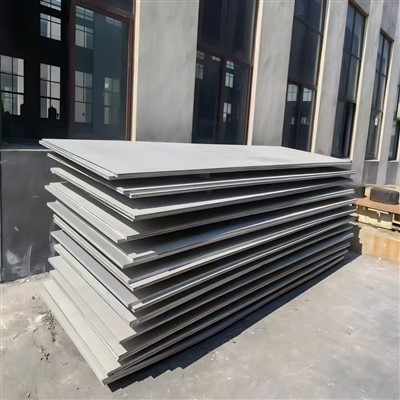

Aluminum Alloy 5059 is widely recognized in the maritime industry due to its high strength, corrosion resistance, and weldability, making it ideal for vessels operating in harsh seawater environments.
Ship Hulls and Superstructures
Hull Plates: AA 5059 is used for lightweight, high-strength hull plates, especially in naval ships and high-speed patrol boats.
Superstructures: Its corrosion resistance and structural strength allow taller or lighter superstructures, reducing top weight and improving stability.
Advantages:
Resistant to seawater corrosion and stress cracking
Maintains structural integrity under impact and fatigue
Naval and Patrol Vessels
Military Ships: Armored aluminum hulls for corvettes, patrol boats, and amphibious vessels.
Benefits:
High strength-to-weight ratio allows faster speeds and better maneuverability.
Excellent blast and impact resistance for military-grade operations.
Yachts and Luxury Vessels
Used in yacht hulls and decks for lightweight, durable, and low-maintenance construction.
Advantages:
Reduced weight for higher speed and fuel efficiency
Minimal maintenance due to corrosion resistance
Aesthetically clean finishes
Offshore and Floating Platforms
Offshore Platforms & Floating Structures: Used in platforms exposed to saltwater spray and harsh marine environments.
Examples:
Floating cranes
Observation and monitoring platforms
Why 5059?
Excellent stress corrosion resistance
Long service life in aggressive marine conditions
Ship Decks, Bulkheads, and Interior Structures
Decks & Bulkheads: Lightweight decks and bulkheads improve vessel stability and payload capacity.
Interior Structures: Stairways, ladders, and interior panels benefit from strength, low weight, and corrosion resistance.
Propeller Shafts and High-Stress Components
AA 5059 is sometimes used for machined marine components exposed to high stress, including propeller shafts, brackets, and supports, where its combination of toughness and corrosion resistance is critical.
Key Benefits in Marine Applications
High Corrosion Resistance: Excellent in seawater, salt spray, and humid conditions.
High Strength-to-Weight Ratio: Critical for fast boats, yachts, and naval vessels.
Weldability: Compatible with TIG/MIG welding for complex structures.
Durability: Resistant to fatigue, stress cracking, and impact, extending vessel service life.
Maintenance Reduction: Reduced need for anti-corrosion coatings compared to steel.
Summary Table – 5059 in Marine Engineering
| Application | Benefits |
|---|---|
| Hull Plates | High strength, corrosion resistance, lightweight |
| Superstructures | Stability, lower center of gravity |
| Naval Vessels | Armored, high-speed, impact-resistant |
| Yachts | Fuel efficiency, low maintenance, aesthetic finish |
| Offshore Platforms | Long-lasting, resistant to seawater and fatigue |
| Decks & Bulkheads | Lightweight, durable interior structures |
| Propeller Shafts & Components | High-stress toughness, corrosion resistance |