
What is 304 stainless steel finish?
Is 304 stainless steel good quality?
What does 304 mean in stainless steel?
Is 304 stainless steel waterproof?
What is the difference between 304 and 316 finish?
What is 304 Stainless Steel Finish?
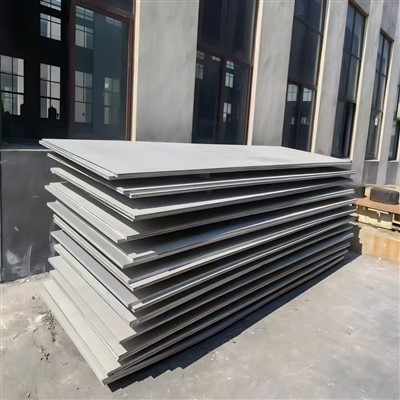
Stainless steel, a stalwart in the world of materials, owes much of its versatility and popularity to various finishes that enhance both its aesthetic appeal and functional properties. Among these, the 304 stainless steel finish emerges as a key player. This article delves into the nuanced world of the 304 stainless steel finish, exploring its characteristics, the qualities that make 304 stainless steel highly regarded, deciphering the meaning behind the "304" designation, addressing questions about waterproofness, and comparing the finishes of 304 and its counterpart, 316 stainless steel.
Is 304 Stainless Steel Good Quality?
Understanding the quality of 304 stainless steel is crucial for those considering it for various applications. 304 stainless steel is, indeed, synonymous with high quality, owing to several key attributes:
Corrosion Resistance: One of the standout features of 304 stainless steel is its exceptional corrosion resistance. This makes it suitable for a wide range of environments, from industrial settings to coastal areas.
Durability: The robust composition of 304 stainless steel contributes to its durability. It can withstand mechanical stresses and maintains its integrity over time, ensuring longevity in diverse applications.
Ease of Fabrication: Manufacturers appreciate the ease with which 304 stainless steel can be fabricated. It is malleable, allowing for efficient cutting, welding, and forming processes.
Aesthetic Appeal: The aesthetic appeal of 304 stainless steel is further enhanced by the variety of finishes available. Whether polished to a mirror-like sheen or textured for a more industrial look, the finish complements the material's innate beauty.
Hygienic Properties: In industries where hygiene is paramount, such as food processing and medical equipment, the non-porous nature of 304 stainless steel and its ease of cleaning make it an excellent choice.
The amalgamation of corrosion resistance, durability, ease of fabrication, aesthetic appeal, and hygienic properties positions 304 stainless steel as a high-quality material for a broad spectrum of applications.
What Does 304 Mean in Stainless Steel?
The numerical designation "304" in stainless steel holds the key to understanding its composition. In the Unified Numbering System (UNS), 304 stainless steel is identified as S30400. Breaking down the numeric code, "304" signifies the specific alloy composition of the stainless steel. In this case, it consists of 18% chromium and 8% nickel. The balance of the alloy includes elements such as iron, carbon, silicon, manganese, phosphorus, sulfur, and other trace elements.
This carefully crafted alloy composition contributes to the corrosion resistance, mechanical properties, and overall performance of 304 stainless steel. The material's ability to withstand harsh environments and its versatility in fabrication make it a preferred choice in various industries.
Is 304 Stainless Steel Waterproof?
While stainless steel, including 304, is largely resistant to erosion and rust, it isn't innately leakproof. The term" stainless" can be deceiving, as it doesn't indicate complete impermeability. The erosion resistance of stainless steel is attributed to the conformation of a passive oxide layer on its surface. This layer acts as a hedge against corrosive rudiments.
However, in situations where stainless steel is exposed to aggressive chemicals or extreme environmental conditions, it's important to consider the specific grade and finish. Regular cleaning to remove pollutants is essential to conserving the erosion resistance of stainless steel, icing its continued performance over time.
What is the Difference Between 304 and 316 Finish?
Both 304 and 316 are widely used grades of stainless steel, and while their finishes may seem similar, key differences lie in their alloy compositions and intended applications.
Corrosion Resistance: The primary distinction is in corrosion resistance. 316 stainless steel contains molybdenum, providing enhanced resistance to corrosive substances, particularly in more aggressive environments. It is often preferred in marine applications and industries with stringent corrosion resistance requirements.
Applications: 316 stainless steel finds its place in environments where exposure to saltwater or chemicals is common. In contrast, 304 stainless steel, while corrosion-resistant, may be less robust in certain aggressive conditions. The choice between them depends on the specific requirements of the application.
Finish Options: Both 304 and 316 stainless steel offer similar finish options, including polished, brushed, or coated finishes. The selection of a particular finish depends on the intended application and desired aesthetic outcome.
Cost: Generally, 304 stainless steel is more cost-effective than 316. The latter's enhanced corrosion resistance comes at a higher cost, influencing the decision-making process in favor of 304 in applications where the added corrosion resistance of 316 is not essential.
Understanding the differences in finish options between 304 and 316 stainless steel enables informed decision-making based on the specific needs of a given project or application.
Conclusion: Appreciating the Versatility of 304 Stainless Steel Finish
In conclusion, the 304 stainless steel finish represents not just a surface treatment but a culmination of engineering precision and aesthetic consideration. As a stalwart material, 304 stainless steel, with its varied finishes, finds itself at home in diverse industries, from architecture to manufacturing.
The quality of 304 stainless steel, underscored by its corrosion resistance, durability, and ease of fabrication, positions it as a material of choice for a multitude of applications. The numeric code "304" unveils the carefully balanced alloy composition that contributes to its exceptional properties. While not inherently waterproof, proper maintenance ensures the continued performance of 304 stainless steel in challenging conditions.
Comparing the finishes of 304 and 316 stainless steel sheds light on the nuanced differences that guide material selection based on corrosion resistance requirements and cost considerations.
In the dynamic landscape of materials engineering, 304 stainless steel continues to captivate designers, engineers, and manufacturers alike, offering not just functionality but an aesthetic canvas that elevates the visual appeal of structures and products across industries.