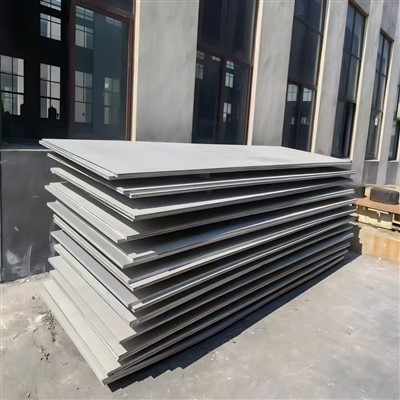

What is 304 2B stainless steel?
What is 2B in stainless steel?
How thick is 304 2B stainless steel?
What are the grades of 304 stainless steel?
What does 2B mean on metal?
Is 2B stainless food grade?
Introduction
Stainless steel, a versatile and corrosion-resistant material, plays a pivotal role in various industries. Among its numerous grades, 304 stainless steel stands out for its widespread use and exceptional properties. In this comprehensive exploration, we delve into the specifics of 304 2B stainless steel, examining the significance of the "2B" designation, the range of thicknesses, the diverse grades within the 304 category, the broader context of metal finishing, and the crucial aspect of food-grade suitability.
What is 304 2B Stainless Steel?
Stainless steel alloys are categorized based on their unique compositions, and 304 is a widely employed variant. The "2B" designation, often associated with 304 stainless steel, refers to a specific surface finish achieved through a meticulous manufacturing process. After the initial cold-rolling, the material undergoes annealing, a heat treatment that enhances its mechanical properties. The 2B finish is then attained through further cold rolling, resulting in a smooth, reflective surface with a subtle matte appearance.
What is 2B in Stainless Steel?
To comprehend the significance of "2B" in stainless steel, it is essential to understand the finishing processes involved. The term "2B" denotes a bright, cold-rolled finish, distinguishing it from other finishes like 2D (dull finish) or 2E (smooth finish). The 2B finish enhances the aesthetic appeal of stainless steel, making it suitable for various applications, including architectural and decorative purposes. The smooth surface also facilitates easier cleaning and maintenance.
How Thick is 304 2B Stainless Steel?
The thickness of 304 2B stainless steel varies to meet the demands of diverse applications. Common thicknesses range from 0.4 to 3.0 millimeters, with thinner sheets often utilized in decorative applications such as kitchen backsplashes and thicker sheets employed in industrial contexts like manufacturing equipment. The versatility in thicknesses allows for customization based on specific industry requirements, ensuring optimal performance in various environments.
What are the Grades of 304 Stainless Steel?
The 304 stainless steel alloy belongs to the austenitic class, known for its high corrosion resistance and excellent formability. Within the 304 grade, there are variations tailored to specific needs.
304L (Low Carbon Version): This variant contains a lower carbon content, reducing the risk of sensitization during welding. It is commonly employed in applications where corrosion resistance is critical, such as in chemical processing industries.
304H (High Carbon Version): With an elevated carbon content, 304H provides enhanced high-temperature strength. This variant is suitable for applications involving elevated temperatures, such as in industrial furnaces and heat exchangers.
Understanding these variations allows industries to choose the most appropriate 304 stainless steel grade based on the specific conditions and requirements of their applications.
What Does 2B Mean on Metal?
The "2B" designation is not exclusive to stainless steel; rather, it is a term commonly used in the metal finishing industry. In a broader context, it signifies a bright, cold-rolled finish that imparts a smooth surface to the metal. This finish is achieved through additional cold rolling after the annealing process, resulting in improved surface reflectivity. The 2B finish is aesthetically pleasing and finds applications in diverse industries, from architecture to manufacturing.
Is 2B Stainless Food Grade?
The food industry places stringent requirements on materials used in food processing and equipment. Stainless steel, particularly 304 with a 2B finish, is a popular choice for food-grade applications. The corrosion resistance of 304 stainless steel ensures that it does not contaminate food, and its smooth surface facilitates easy cleaning, preventing the accumulation of bacteria and other contaminants. This makes 304 2B stainless steel suitable for various food-related equipment, including kitchen appliances, countertops, and food processing machinery.
Applications of 304 2B Stainless Steel
The properties of 304 2B stainless steel make it suitable for a wide range of applications across different industries.
Architectural and Decorative Uses: The smooth, reflective surface of 304 2B stainless steel makes it a preferred choice for architectural elements and decorative applications. It is commonly used in building facades, interior design elements, and artistic installations.
Kitchen Appliances and Utensils: The food-grade suitability of 304 2B stainless steel makes it ideal for manufacturing kitchen appliances and utensils. From refrigerators and stovetops to cutlery and cookware, stainless steel adds both functionality and aesthetic appeal to modern kitchens.
Industrial Equipment: In industrial settings, the corrosion resistance and durability of 304 stainless steel find applications in various equipment, including storage tanks, pipelines, and manufacturing machinery. The diverse thickness options allow for customization based on the specific requirements of different industrial processes.
Medical and Pharmaceutical Equipment: The non-reactive nature of stainless steel, coupled with its ease of sterilization, makes it suitable for medical and pharmaceutical applications. Surgical instruments, medical devices, and pharmaceutical processing equipment often utilize 304 stainless steel.
Automotive Components: The automotive industry benefits from the corrosion resistance of 304 stainless steel. It is used in components such as exhaust systems, trim, and decorative elements, contributing to the longevity and aesthetics of vehicles.
Conclusion
In conclusion, 304 2B stainless steel is a versatile and widely used material with a distinctive surface finish that adds both aesthetic appeal and functionality to diverse applications. From architectural designs to industrial equipment and food-grade applications, the properties of 304 2B stainless steel make it a go-to choice in various industries. Understanding its surface finish, thickness variations, grades within the 304 category, and applications provides a comprehensive view of the role this material plays in shaping our modern world. As technology advances and industries evolve, the demand for stainless steel, especially 304 with a 2B finish, is likely to continue its upward trajectory.