
**How thick is stainless steel sheet available?
Stainless steel is widely used in many industries due to its superb resistance to corrosion, heat, and staining. Stainless steel sheets, in particular, are versatile materials that are used in a variety of applications, from kitchen appliances to automotive parts. However, the thickness of stainless steel sheets available on the market can vary greatly depending on the industry and the intended use.
In this article, we will explore the different thicknesses of stainless steel sheets available and why they are used. We will also discuss the different types of stainless steel sheets and what you should consider when choosing the right thickness for your specific application.
**What are the thicknesses of stainless steel sheets available?
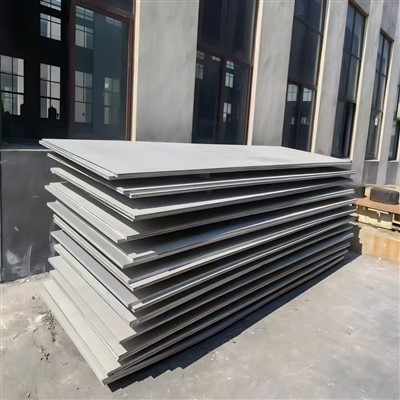
Stainless steel sheets are available in a wide range of thicknesses, from very thin gauges (as little as 0.005 inches) to thick plates (up to 6 inches). The most common thicknesses, however, fall between 0.018 and 0.25 inches.
Thin gauge stainless steel sheets (less than 0.03 inches thick) are commonly used in applications where weight is a concern, such as for kitchen utensils, appliances, and metal stampings. These sheets are also used in the automotive industry for body panels, trim, and exhaust systems.
Mid-range thicknesses (between 0.03 and 0.12 inches) are commonly used for architectural and decorative applications, such as wall panels, elevator doors, and furniture. These sheets can be textured or patterned to enhance their appearance and are often used in hotels, commercial buildings, and high-end homes.
Thick gauge stainless steel sheets (0.25 inches or more) are used in heavy-duty applications such as construction, shipbuilding, and industrial equipment. These sheets are also used for tanks that store corrosive chemicals, such as sulfuric acid, hydrochloric acid, and sodium hydroxide.
**What are the different types of stainless steel sheets?
Stainless steel sheets are available in different types that are classified based on their microstructures and chemical compositions. The most common types are austenitic, ferritic, martensitic, duplex, and precipitation-hardening stainless steels.
Austenitic stainless steel sheets (such as grade 304 and 316) are the most widely used due to their excellent corrosion resistance, ductility, and heat resistance. These sheets are non-magnetic and have a high nickel content, which makes them more expensive than other types. Austenitic stainless steel sheets are used in a variety of applications, including food processing equipment, chemical processing equipment, and medical devices.
Ferritic stainless steel sheets (such as grade 430) are cheaper than austenitic stainless steels and have good resistance to corrosion and heat. These sheets are used for automotive trim, exhaust systems, and washing machine drums.
Martensitic stainless steel sheets (such as grade 410) have high strength, but low corrosion resistance. These sheets are often used for cutlery, knives, and scissors.
Duplex stainless steel sheets (such as grade 2205) have a combination of high strength and corrosion resistance. These sheets are used in the marine industry for boat fittings and in chemical plants for piping and vessels.
Precipitation-hardening stainless steel sheets (such as grade 17-4 PH) have high strength and are resistant to corrosion and heat. These sheets are often used for aerospace components and in the nuclear industry.
**What should you consider when choosing the right thickness?
When choosing the right thickness of stainless steel sheet for your application, there are several factors you should consider, including the level of corrosion resistance required, the type of environment the sheet will be exposed to, and the cost of the material.
If your application requires high corrosion resistance, you may need to choose a thicker gauge of stainless steel sheet to ensure the material can withstand the exposure to harsh chemicals or saltwater. However, if the material will not be exposed to corrosive agents, a thinner gauge sheet may be suitable.
The type of environment the sheet will be exposed to is also a consideration. If the sheet will be used in a high-temperature environment, such as furnace linings or exhaust systems, a thicker gauge sheet may be required to prevent warping or buckling. Similarly, if the sheet will be used in a high-stress environment, such as heavy machinery or equipment, a thicker gauge sheet may be necessary to prevent deformation or failure.
Cost is also a consideration when choosing the right thickness of stainless steel sheet. Thicker gauge sheets are generally more expensive than thinner gauge sheets, so it''s important to balance the level of performance required with the cost of the material.
**Conclusion
Stainless steel sheets are versatile materials that are used in many different industries for a variety of applications. The thickness of stainless steel sheets available on the market can vary greatly, with the most common thicknesses falling between 0.018 and 0.25 inches. The different types of stainless steel sheets available, including austenitic, ferritic, martensitic, duplex, and precipitation-hardening, offer varying levels of corrosion resistance and strength.
When choosing the right thickness of stainless steel sheet, it''s important to consider factors such as the level of corrosion resistance required, the type of environment the sheet will be exposed to, and the cost of the material. By taking these factors into account, you can choose the right thickness of stainless steel sheet to meet your specific needs.