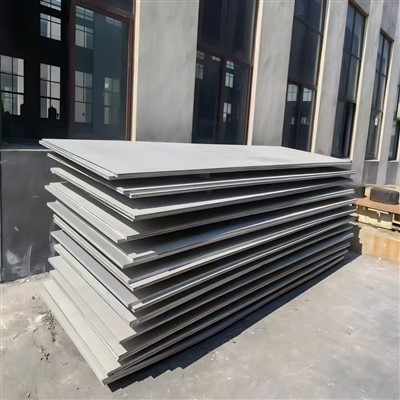

When comparing electro-galvanized steel vs hot-dip galvanized steel, the key factors are corrosion resistance, coating thickness, appearance, cost, and service life. Both processes apply a protective zinc layer to steel, but they differ greatly in how the coating is formed.
Understanding the difference between electro-galvanizing and hot-dip galvanizing helps engineers, manufacturers, and buyers choose the right material for construction, automotive, appliances, and outdoor structural applications.
What is Electro-Galvanized Steel?
Electro-galvanized steel is produced using an electroplating process, where zinc is deposited onto the steel surface using an electric current.
Key Features:
Thin, uniform zinc coating
Smooth and bright surface finish
High aesthetic quality
Lower corrosion resistance
Common for indoor or decorative use
What is Hot-Dip Galvanized Steel?

Hot-dip galvanized steel is made by immersing steel into molten zinc at ~450°C, forming a metallurgically bonded coating.
Key Features:
Thick zinc coating
Strong corrosion resistance
Rough or spangled surface
Suitable for harsh environments
Long service life
Key Differences Between Electro-Galvanized and Hot-Dip Galvanized Steel
| Feature | Electro-Galvanized Steel | Hot-Dip Galvanized Steel |
|---|---|---|
| Process | Electroplating (electric current) | Immersion in molten zinc |
| Coating Thickness | 5–20 μm | 40–100 μm |
| Corrosion Resistance | Low to moderate | High |
| Surface Finish | Smooth, bright | Matte, spangled |
| Adhesion Strength | Mechanical bonding | Metallurgical bonding |
| Service Life | 2–10 years | 20–50 years |
| Cost | Lower | Higher |
| Best Use | Indoor, appliances, automotive panels | Outdoor, construction, infrastructure |
Performance Comparison
🔹 Corrosion Resistance
Hot-dip galvanized steel provides much stronger protection, especially in humid, marine, or outdoor environments.
Electro-galvanized steel is suitable for dry indoor conditions but corrodes faster when exposed to moisture.
🔹 Coating Durability
Hot-dip: thick and abrasion-resistant
Electro-galvanized: thin and easily damaged
🔹 Appearance
Electro-galvanized: smooth, shiny, decorative finish
Hot-dip galvanized: industrial, matte finish
🔹 Cost Efficiency
Electro-galvanized: cheaper for mass production
Hot-dip galvanized: better long-term value
Application Areas
🔹 Electro-Galvanized Steel Applications
Home appliances (washing machines, refrigerators)
Automotive interior parts
Electrical enclosures
Furniture and decorative panels
🔹 Hot-Dip Galvanized Steel Applications
Construction structures
Steel pipes and tubes
Bridges and highways
Fencing and scaffolding
Agricultural and marine environments
Which One Is Better?
There is no universal "better" option-it depends on the application:
Choose Electro-Galvanized Steel if:
Aesthetic appearance is important
Indoor environment only
Lightweight corrosion exposure
Cost-sensitive production
Choose Hot-Dip Galvanized Steel if:
Outdoor or harsh environment
Long service life required
Structural or safety-critical use
High corrosion resistance needed
FAQ
Q1: Is hot-dip galvanized steel stronger than electro-galvanized steel?
A: The base steel strength is the same, but hot-dip galvanized steel has better coating durability and protection.
Q2: Why does hot-dip galvanized steel last longer?
A: Because it has a thicker zinc coating and metallurgical bonding, which provides superior corrosion resistance.
Q3: Can electro-galvanized steel be used outdoors?
A: Only in very mild environments; it is not suitable for long-term outdoor exposure.
Q4: Which is more cost-effective?
A: Electro-galvanized steel is cheaper initially, but hot-dip galvanized steel is more cost-effective over its lifespan.