
When selecting corrosion-resistant steel pipes, the comparison between pre-galvanized pipe and hot dip galvanized pipe is essential for engineers, contractors, and procurement teams. Although both belong to galvanized steel pipe (GI pipe) products, they differ significantly in manufacturing process, zinc coating thickness, durability, and application scope.
Understanding the difference between pre-galvanized vs hot dip galvanized pipe helps buyers choose the right solution for construction, water systems, scaffolding, and industrial projects, balancing cost, performance, and service life.
What is Pre-Galvanized Pipe?

Pre-galvanized pipe is manufactured from steel coil that is galvanized before forming the pipe. The zinc coating is applied to the steel sheet using a continuous galvanizing process, then the material is rolled and welded into pipe shape.
Key Features:
Zinc coating applied on steel coil before pipe forming
Smooth and uniform surface finish
Lower zinc coating thickness
Cost-effective solution
Mainly used for indoor or light-duty applications
What is Hot Dip Galvanized Pipe?
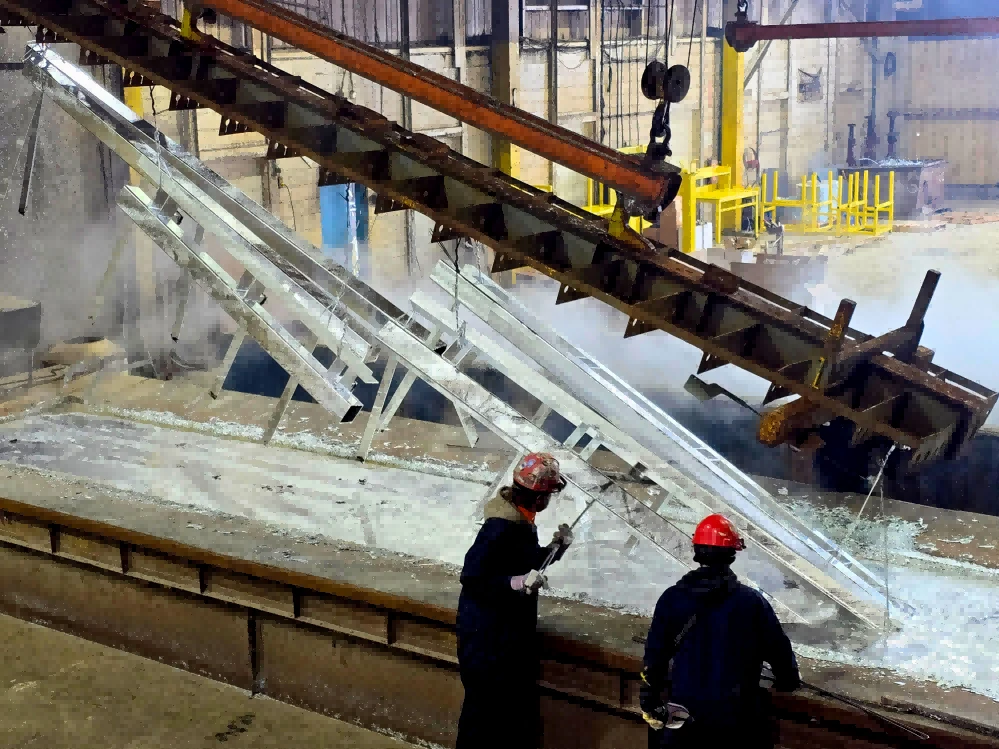
Hot dip galvanized pipe is produced by first manufacturing a steel pipe (ERW or seamless), then immersing it into molten zinc at around 450°C. This creates a metallurgically bonded zinc layer on both internal and external surfaces.
Key Features:
Full immersion in molten zinc after pipe forming
Thick and durable zinc coating
Excellent corrosion resistance
Suitable for harsh outdoor environments
Long service life
Key Differences Between Pre-Galvanized and Hot Dip Galvanized Pipe
| Feature | Pre-Galvanized Pipe | Hot Dip Galvanized Pipe |
|---|---|---|
| Manufacturing Process | Galvanized steel coil → formed into pipe | Steel pipe → dipped into molten zinc |
| Zinc Coating Thickness | 10–25 μm | 40–100 μm |
| Coating Weight | 100–200 g/m² | 300–600 g/m² |
| Corrosion Resistance | Moderate | Excellent |
| Weld Protection | Weld seam may be exposed | Fully protected coating |
| Surface Appearance | Smooth and bright | Rough / spangle finish |
| Service Life | 5–15 years | 20–50 years |
| Cost Level | Lower | Higher |
| Best Use | Indoor / light-duty | Outdoor / heavy-duty |
Performance Comparison
🔹 Corrosion Resistance
Hot dip galvanized pipe provides stronger protection due to its thicker zinc layer and full surface coverage, including weld areas.
Pre-galvanized pipe is suitable for dry environments, but may fail faster in humid or corrosive conditions.
🔹 Durability
Hot dip galvanized → long-term structural durability
Pre-galvanized → short to medium-term applications
🔹 Cost Efficiency
Pre-galvanized pipe is more economical for bulk indoor use
Hot dip galvanized pipe offers better lifecycle cost performance
Application Areas
🔹 Pre-Galvanized Pipe Applications
Furniture and shelving systems
Electrical conduit (indoor)
Greenhouse structures
Light structural frameworks
🔹 Hot Dip Galvanized Pipe Applications
Water supply pipelines
Scaffolding systems
Outdoor construction structures
Fire protection systems
Agricultural irrigation
Marine and coastal environments
How to Choose the Right Type?
Choose pre-galvanized pipe if:
Budget is limited
Application is indoor
Corrosion exposure is minimal
Choose hot dip galvanized pipe if:
Outdoor or humid environment
Long service life is required
Structural safety is critical
Water or fire protection systems are involved
FAQ – Pre-Galvanized vs Hot Dip Galvanized Pipe
Q1: What is the main difference between pre-galvanized and hot dip galvanized pipe?
A: The main difference is the manufacturing process. Pre-galvanized pipe uses galvanized steel coil before forming, while hot dip galvanized pipe is coated after pipe forming by immersion in molten zinc, resulting in a much thicker coating.
Q2: Which pipe has better corrosion resistance?
A: Hot dip galvanized pipe has significantly better corrosion resistance due to its thicker zinc coating (40–100 μm) compared to pre-galvanized pipe (10–25 μm).
Q3: Can pre-galvanized pipe be used outdoors?
A: It is not recommended for long-term outdoor or humid environments. Pre-galvanized pipe is best suited for indoor or low-corrosion applications.
Q4: Why is hot dip galvanized pipe more expensive?
A: It requires an additional galvanizing process after pipe forming and uses more zinc material, which increases production cost but improves durability and lifespan.
Q5: Which pipe lasts longer?
A: Hot dip galvanized pipe typically lasts 20–50 years, while pre-galvanized pipe usually lasts 5–15 years depending on environmental conditions.
Q6: Is welding quality affected by galvanizing type?
A: Yes. Hot dip galvanized pipes provide more uniform protection, while pre-galvanized pipes may have exposed weld seams with reduced corrosion resistance.
Q7: Which pipe is better for construction projects?
A: For structural and outdoor construction, hot dip galvanized pipe is preferred. Pre-galvanized pipe is used for lightweight or indoor frameworks.
Q8: Can both types be used for water systems?
A: Hot dip galvanized pipe is suitable for water supply systems. Pre-galvanized pipe is generally not recommended for pressurized or long-term water exposure.