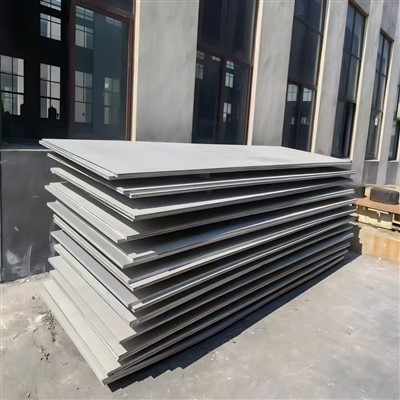

2Cr12NiMo1W1V and 12Cr1MoV are widely used high-temperature alloy steels in power generation, chemical processing, and industrial boiler applications. While both provide high-temperature strength, they differ in corrosion resistance, alloying elements, and optimal applications. This guide helps engineers, procurement specialists, and project planners select the right material for demanding environments.
Chemical Composition Comparison
| Element (wt%) | 2Cr12NiMo1W1V | 12Cr1MoV |
|---|---|---|
| C (Carbon) | 0.08–0.15 | 0.12–0.20 |
| Cr (Chromium) | 11.0–13.0 | 1.0 |
| Ni (Nickel) | 0.8–1.5 | ≤0.3 |
| Mo (Molybdenum) | 0.4–0.6 | 0.2–0.3 |
| V (Vanadium) | 0.15–0.25 | 0.05–0.15 |
| W (Tungsten) | 0.3–0.5 | – |
| Si (Silicon) | 0.2–0.5 | 0.2–0.35 |
| Mn (Manganese) | 0.3–0.7 | 0.3–0.6 |
| P (Phosphorus) | ≤0.03 | ≤0.03 |
| S (Sulfur) | ≤0.02 | ≤0.03 |
Key Insights:
2Cr12NiMo1W1V is a high-alloy martensitic/ferritic steel with superior corrosion resistance and oxidation resistance at high temperatures.
12Cr1MoV is a low-alloy high-temperature steel optimized for conventional boiler tubes and pressure vessels.
Nickel, tungsten, and vanadium in 2Cr12NiMo1W1V enhance its performance in aggressive environments.
Mechanical Properties
| Property | 2Cr12NiMo1W1V | 12Cr1MoV |
|---|---|---|
| Service Temperature | ≤550°C | ≤540°C |
| Tensile Strength | 550–750 MPa | 480–620 MPa |
| Yield Strength | 320–480 MPa | 320–450 MPa |
| Impact Toughness | ≥40 J @ 20°C | ≥30 J @ 20°C |
| Corrosion Resistance | Excellent | Moderate |
| Weldability | Good | Good |
| Heat Treatment | Annealing, Normalizing + Tempering | Normalizing + Tempering |
Performance Insights:
2Cr12NiMo1W1V maintains higher strength and toughness at elevated temperatures.
12Cr1MoV provides sufficient performance for standard thermal power applications at a lower cost.
Typical Applications
| Application Area | 2Cr12NiMo1W1V | 12Cr1MoV |
|---|---|---|
| High-Temperature Boiler Tubes | √ | √ |
| Pressure Vessels | √ | √ |
| Chemical Equipment | √ | – |
| Seawater / Acidic Environments | √ | – |
| Thermal / Nuclear Power Equipment | √ | √ |
Application Insight:
2Cr12NiMo1W1V is ideal for chemical plants, seawater boilers, and nuclear power systems.
12Cr1MoV suits conventional thermal power plants and industrial boilers.
Advantages Comparison
| Feature | 2Cr12NiMo1W1V | 12Cr1MoV |
|---|---|---|
| Corrosion Resistance | Excellent | Moderate |
| High-Temperature Strength | Higher (≤550°C) | Adequate (≤540°C) |
| Toughness | Superior | Moderate |
| Cost | Higher | Lower |
| Weldability | Good | Good |
| Service Life | Long | Moderate |
| Application Range | Chemical, seawater, nuclear | Conventional boilers, power plants |
Advantages Summary:
2Cr12NiMo1W1V: Optimal for high-temperature, high-corrosion environments where durability and reliability are critical.
12Cr1MoV: Cost-effective choice for standard high-temperature boiler tubes and pressure vessels with predictable performance.
Conclusion
Choose 2Cr12NiMo1W1V for advanced chemical, seawater, and nuclear applications where long-term reliability under high-temperature and corrosive conditions is required.
Choose 12Cr1MoV for conventional boiler tubes, thermal power plants, and industrial pressure systems where cost efficiency and sufficient high-temperature strength are the priority.