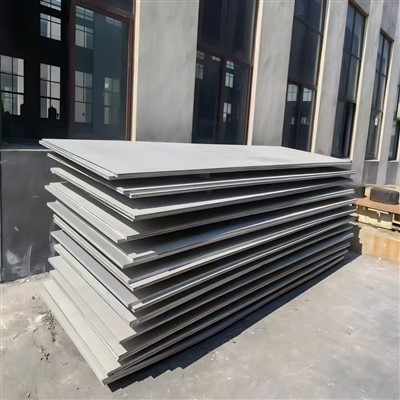

Stainless sword, a stalwart in colorful diligence, manifests its versatility through an array of grades, each acclimatized for specific operations. The distinction between two extensively used grades, 304 and 420, is pivotal for informed material selection. In this disquisition, I'll claw into the divergences between these pristine sword variants, slipping light on their operations, food safety considerations, overall felicity, and the interesting question of whether 420 Stainless Steel Plate surpasses the ubiquitous 304.
What's 420 Stainless Steel Used For?
Chopstick and Surgical Instruments
420 Stainless Steel Plate, celebrated for its optimal mix of hardness and erosion resistance, finds a niche in chopstick and surgical instruments. The material's capability to maintain a sharp edge while opposing the sharp surroundings of medical procedures underscores its felicity in these critical operations.
Industrial Tools and Equipment
In the artificial realm, 420 pristine sword assumes a vital part in the creation of tools and outfit taking continuity and wear resistance. Its robust nature makes it a favored choice for molds, dies, and perfection instruments, where life and performance are consummate.
Aerospace Applications
The aerospace assiduity benefits from 420 pristine sword's unique parcels, exercising it for factors demanding high strength, erosion resistance, and adaptability against the adversities of atmospheric and environmental challenges.
Medical Implants
The biocompatibility and erosion resistance of 420 pristine sword render it apt for certain medical implants. Its capability to repel fleshly fluids and maintain structural integrity aligns with the strict conditions of medical operations.
oil painting and Gas Assiduity
In the demanding surroundings of the oil painting and gas assiduity, 420 pristine sword emerges as a dependable choice. Its resistance to erosion makes it suitable for factors exposed to harsh conditions, similar as faucets and pump corridor.
Is 420 Stainless Steel Food Safe?
erosion Resistance
While 420 pristine sword exhibits estimable erosion resistance, especially in comparison to other accoutrements , it may not match the erosion resistance situations of food- grade blends like 304. The choice between the two hinges on the specific sharp terrain the material will encounter.
Composition Considerations
The composition of 420 pristine sword, characterized by advanced carbon content, prompts considerations regarding its felicity for food- related operations. clinging to strict food safety regulations becomes imperative, challenging a comprehensive understanding of the material's composition.
Surface Finish
The face finish of 420 pristine sword influences its food safety. enforcing applicable finishing processes enhances cleanability and reduces the threat of bacterial impurity, pivotal factors in operations where hygiene is consummate.
Which Grade of Stainless Steel is the Stylish?
operation-Specific Considerations
Determining the" stylish" grade of pristine sword hinges on a nuanced evaluation of operation-specific conditions. Factors similar as erosion resistance, strength, and temperature forbearance must align with the demands of the design.
304 Stainless Steel
Regarded as a general- purpose pristine sword, 304 shines in versatility, erosion resistance, and ease of fabrication. Extensively employed in colorful diligence, including food processing, armature, and chemical processing, 304 is a stalwart in multitudinous operations.
420 Stainless Steel
For operations challenging high hardness and wear resistance, similar as chopstick and artificial tools, 420 pristine sword emerges as a strong contender. Its exceptional hardness positions it as an ideal choice for specific artificial and medical uses.
Duplex Stainless Steel
In surroundings characterized by aggressive erosion, duplex pristine sword, with its high erosion resistance and strength, assumes the mantle of the stylish choice. Its operation is particularly apparent in diligence dealing with sharp substances.
Specialized blends
largely specialized operations frequently call for specific pristine sword blends designed to address unique challenges. These blends may boast high- temperature resistance, extreme erosion resistance, or distinctive glamorous parcels.
Is 420 Stainless Better than 304?
Hardness and Strength
The superior hardness and strength of 420 pristine sword make it a favored choice for operations where these parcels take priority. In the realm of shanks , surgical instruments, and certain artificial tools, the robust nature of 420 imparts a notable advantage.
erosion Resistance
While 420 pristine sword excels in hardness, it may not match the erosion resistance of 304. The choice between the two pivots on the specific environmental conditions the material will encounter, with erosion vulnerability being a pivotal factor.
Fabrication Ease
304 pristine sword holds an advantage in terms of fabrication ease. Its plasticity and ease of shaping make it a favored choice in operations taking intricate designs or complex shapes, showcasing the versatility of 304.
What's 420 Stainless Steel Made Of?
Carbon Content
At the core of 420 pristine sword's character lies its advanced carbon content, a defining point that contributes to its heightened hardness and strength. The increased carbon content distinguishes 420 from other pristine sword grades.
Chromium Content
As with all pristine brands, 420 contains chromium, conferring erosion resistance. still, the chromium content in 420, while significant, isn't as pronounced as in 304, impacting its overall erosion resistance profile.
Other Alloying rudiments
The composition of 420 pristine sword may include fresh alloying rudiments similar as manganese, silicon, and occasionally nickel. Each element contributes to the material's overall parcels, impacting factors like hardness, durability, and erosion resistance.
Heat Treatment
Integral to the product of 420 Stainless Steel Plate is the scrupulous heat treatment process. Through quenching and tempering, the material attains its asked balance of hardness and durability, a critical step in icing its felicity for different operations.
In the grand shade of pristine sword grades, the vestments of 304 and 420 weave a narrative of diversity and purpose. The operation- centric nature of pristine sword selection underscores the significance of understanding the nuances within this extensive material realm. As diligence evolve, the interplay between pristine sword grades will continue to shape the geography of engineering, construction, and invention.
References
American Iron and Steel Institute. https//www.steel.org/
Stainless Steel World. https//www.stainless-steel-world.net/
ASTM International. https//www.astm.org/
International Stainless Steel Forum. https//www.worldstainless.org/
"Selection of Stainless Steels for Handling Hydrochloric Acid." https//www.bssa.org.uk/
"Duplex Stainless Steels- A Simplified Guide." https//www.bssa.org.uk/
"Ferritic Stainless brands- An Overview." https//www.bssa.org.uk/
Carpenter Technology Corporation. https//www.carpentertechnology.com/
Rolled blends. https//www.rolledalloys.com/
AK sword. https//www.aksteel.com/