
What is colored steel sheet?
How is colored steel made?
What is the color steel?
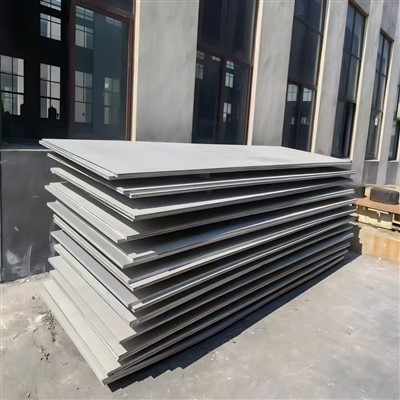
What does the color steel look like?
Is colored stainless steel safe?
What is Colored Steel Sheet?
Colored steel sheets, also known as color-coated steel sheets, have revolutionized the steel industry by introducing a spectrum of vibrant hues and finishes to an otherwise utilitarian material. Beyond their structural integrity, these sheets undergo a specialized coating process that not only enhances their visual appeal but also provides functional benefits such as improved corrosion resistance. In this comprehensive exploration, we will delve into the intricacies of colored steel sheets, unraveling the manufacturing process, understanding the characteristics of color steel, visualizing its diverse appearances, and addressing safety considerations, particularly in the context of colored stainless steel.
How is Colored Steel Made?
The process of crafting colored steel involves a sequence of meticulously orchestrated steps, each contributing to the material's vibrant aesthetics and enhanced functionality:
Base Material Selection: The foundation of colored steel lies in high-quality steel sheets carefully selected for their durability and suitability for the intended application.
Surface Cleaning: Thorough cleaning is imperative to eliminate impurities and ensure a pristine surface, preparing it for the subsequent coating process.
Surface Treatment: Depending on the specific requirements, the steel surface may undergo treatment processes such as chromate treatment. This enhances adhesion, ensuring the subsequent coatings bond securely to the steel.
Primer Application: A primer is applied to establish a bonding layer, facilitating the adhesion of the subsequent color coating to the steel surface.
Color Coating: The defining step involves the application of a specialized color layer using techniques like coil coating or continuous roller coating. This layer not only provides the desired color but also augments the steel's resistance to corrosion and weathering.
Curing and Drying: The coated steel sheets undergo a curing process, often involving elevated temperatures, ensuring the complete drying and curing of the color layer.
Quality Inspection: The final colored steel sheets undergo rigorous quality inspections to guarantee uniform color distribution, proper adhesion, and overall quality.
This meticulous process transforms basic steel sheets into vibrant and durable colored steel sheets suitable for a myriad of applications across various industries.
What is Color Steel?
Color steel, often interchangeably referred to as color-coated steel, signifies steel sheets adorned with a layer of color to achieve specific visual effects. Beyond its aesthetic appeal, the color coating serves practical purposes such as enhancing corrosion resistance and overall durability. This versatile material finds applications in roofing, cladding, and the manufacturing of appliances and decorative items, bridging the gap between functionality and design.
What Does Color Steel Look Like?
The appearance of color steel is a testament to its versatility, offering a kaleidoscope of colors and finishes to cater to diverse preferences and applications. The color coating can manifest in solid colors, metallic finishes, or intricate patterns, providing architects, designers, and manufacturers with a customizable palette. The result is a visually captivating material that injects vibrancy into architectural projects, consumer products, and industrial applications alike.
Is Colored Stainless Steel Safe?
The safety of colored stainless steel hinges on adherence to industry standards and regulations throughout the manufacturing process. When produced using established practices and materials, colored stainless steel is generally considered safe for a wide array of applications. The color coating is engineered to securely adhere to the stainless steel substrate, offering an additional layer of protection against environmental factors and corrosion.
However, in scenarios where colored stainless steel comes into contact with food or other sensitive materials, it is paramount to verify that the coloring materials are food-grade and do not introduce any harmful substances. Compliance with safety standards ensures that colored stainless steel maintains its integrity and safety characteristics throughout its lifecycle, reinforcing its suitability for a broad spectrum of applications.
Conclusion: The Palette of Possibilities with Colored Steel Sheets
In conclusion, colored steel sheets have emerged as a dynamic and transformative force within the steel industry, transcending their conventional role as structural components. The intricate manufacturing process, from base material selection to the final quality inspection, underscores the precision and care invested in creating a material that seamlessly merges aesthetics with functionality.
Color steel, with its diverse range of colors and finishes, is not merely a surface treatment but a design element that contributes to the visual language of structures and products. Its application in architecture, design, and various industries reflects an industry that continuously pushes the boundaries of innovation and creativity.
Ensuring the safety of colored stainless steel involves a commitment to quality standards and regulations, particularly in applications where contact with food or sensitive materials is a consideration. As colored steel sheets continue to evolve in response to technological advancements and design trends, they remain a symbol of the industry's adaptability and its ability to harmonize form and function.
In essence, colored steel sheets represent a palette of possibilities, offering architects, designers, and manufacturers the means to paint the modern world with vibrant hues and unparalleled versatility. This dynamic material continues to shape the visual landscape, adding a touch of brilliance to structures and products across the globe.