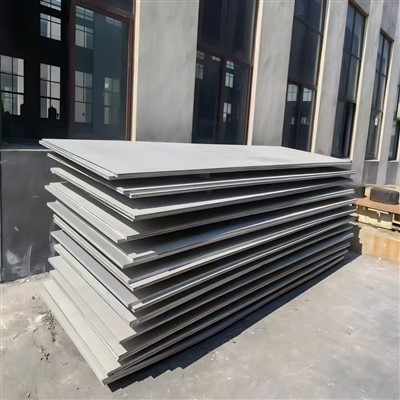

What is 440C Stainless Steel?
440C stainless steel is a high-carbon martensitic stainless steel that offers a combination of high strength, hardness, wear resistance, and corrosion resistance. It is heat treatable and can be hardened to a Rockwell hardness of 60 HRC.
What is the composition of 440C stainless steel?
440C stainless steel typically contains the following elements:
Carbon: 0.95 - 1.20%
Chromium: 16.0 - 18.0%
Molybdenum: 0.75 - 1.00%
Nickel: ≤ 1.00%
Silicon: ≤ 1.00%
Manganese: ≤ 1.00%
Phosphorus: ≤ 0.040%
Sulfur: ≤ 0.030%
What are the properties of 440C stainless steel?
440C stainless steel exhibits the following properties:
High strength and hardness: 440C stainless steel can be heat treated to achieve high strength and hardness, making it suitable for demanding applications.
Good wear resistance: The high carbon content and martensitic structure of 440C stainless steel contribute to its good wear resistance.
Good corrosion resistance: The presence of chromium in 440C stainless steel provides it with good corrosion resistance.
Good heat resistance: 440C stainless steel can be used at temperatures up to 570°C (1058°F).
What are the applications of 440C stainless steel?
440C stainless steel is used in various applications, including:
Knives and cutting tools: 440C stainless steel is commonly used for making knives and cutting tools due to its high strength, hardness, and wear resistance.
Molds and dies: 440C stainless steel is often used for molds and dies because of its high strength, hardness, and wear resistance.
Bearings: 440C stainless steel is frequently used for bearings due to its high strength, hardness, and wear resistance.
Other applications: 440C stainless steel can also be used in other applications that require high performance, such as springs, valves, and pumps.
How is 440C stainless steel heat treated?
440C stainless steel is typically heat treated in three stages:
Annealing: The steel is heated to a high temperature (typically 1050°C - 1150°C) and then slowly cooled to room temperature. This process softens the steel and makes it easier to machine.
Hardening: The steel is heated to a high temperature (typically 1020°C - 1080°C) and then quenched in oil or water. This process increases the steel's strength and hardness.
Tempering: The steel is heated to a lower temperature (typically 175°C - 375°C) and then cooled to room temperature. This process relieves some of the stresses introduced during hardening and improves the steel's toughness.
What are the advantages and disadvantages of 440C stainless steel?
Advantages:
High strength and hardness
Good wear resistance
Good corrosion resistance
Good heat resistance
Heat treatable
Disadvantages:
More expensive than some other stainless steels
Can be difficult to machine
Susceptible to stress corrosion cracking
Where can I buy 440C stainless steel?
440C stainless steel can be purchased from a variety of suppliers, including metal distributors, online retailers, and specialty steel suppliers.
Comprehensive Product Range: Whether you are in need of stainless steel sheets for industrial applications, precision coils for manufacturing, corrosion-resistant strips for critical projects, or custom-designed stainless steel products, Dongmeng Steel has it all. Our comprehensive product range ensures that we meet and exceed all your stainless steel requirements.
Request a Quote: Request a quote, and our sales team will promptly provide you with competitive pricing for the stainless steel products you require. We believe in transparent pricing and ensuring you get the best value for your investment.
Experience Seamless Procurement:: Once you've made your selection, experience a seamless procurement process. From order placement to delivery, we prioritize efficiency and customer satisfaction every step of the way.
Contact E-mail:office@dongmjd.com
Conclusion
440C stainless steel is a versatile and high-performance material that is used in a variety of demanding applications. Its high strength, hardness, wear resistance, and corrosion resistance make it an ideal choice for applications where durability and performance are critical.