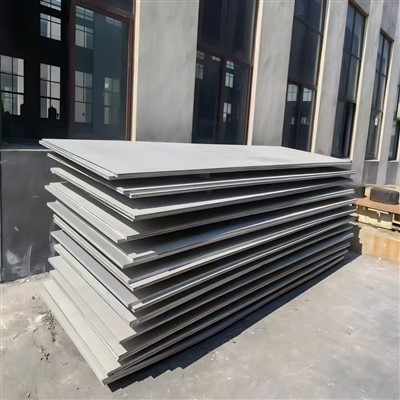

Metal fabrication services involve the processes and techniques used to shape, cut, join, and assemble metal materials to create finished metal products or components. These services are provided by metal fabrication companies or workshops equipped with specialized tools, machinery, and skilled personnel.
Common Metal Fabrication Services
Here are some common metal fabrication services:
- Cutting: Metal fabrication services include various cutting methods such as shearing, sawing, laser cutting, or plasma cutting to cut metal sheets, plates, or bars into desired shapes and sizes.
- Bending and Forming: Metal materials can be bent, shaped, and formed using techniques like press brake forming, roll bending, or tube bending to create curved or angled components.
- Welding: Metal fabrication often involves welding, which is the process of joining two or more metal parts together using heat and filler material. Common welding techniques include MIG (Metal Inert Gas), TIG (Tungsten Inert Gas), or arc welding.
- Machining: Metal fabrication may include machining operations such as milling, drilling, turning, or grinding to achieve precise dimensions and smooth surfaces on metal components.
- Assembly: Metal fabrication services also involve the assembly of various metal parts or components using fasteners, rivets, adhesives, or welding to create the final product.
- Finishing: Metal fabrication may include finishing processes like sanding, polishing, grinding, or coating to enhance the appearance, durability, or corrosion resistance of the metal products.
- Prototyping and Design: Metal fabrication services often offer prototyping and design assistance, helping clients transform their ideas or concepts into functional metal products through the use of computer-aided design (CAD) software and expertise.
Metal fabrication services cater to various industries, including automotive, aerospace, construction, electronics, furniture, and more. They provide customized solutions to meet specific design requirements, producing metal components, structures, or products according to client specifications.
These services often involve collaboration between the metal fabrication service provider and the client to ensure the desired outcome in terms of functionality, aesthetics, quality, and cost-effectiveness.
Is a sheet metal worker the same as a metal fabricator?
While there is some overlap in the skills and tasks performed by sheet metal workers and metal fabricators, they are not exactly the same.
- Sheet Metal Worker: A sheet metal worker specializes in working with thin metal sheets, typically with a thickness of 6mm or less. They focus on shaping, cutting, and assembling metal sheets to create various components or products. Sheet metal workers commonly work with materials like aluminum, stainless steel, galvanized steel, or copper. They often perform tasks such as cutting, bending, forming, soldering, riveting, and welding to fabricate sheet metal parts for applications such as HVAC systems, roofing, ductwork, and industrial machinery.
- Metal Fabricator: Metal fabricators, on the other hand, work with a broader range of metal materials and components. They may work with sheet metal, but they also handle thicker metal plates, bars, tubes, or structural shapes. Metal fabricators are involved in shaping, cutting, joining, and assembling metal parts using various fabrication techniques such as welding, machining, bending, and forming. They create a wide range of products and structures, including machinery components, frameworks, enclosures, architectural elements, and more.
In summary, while a sheet metal worker primarily focuses on working with thin metal sheets, a metal fabricator has a broader scope, working with a variety of metal materials and components. Metal fabricators may perform tasks that extend beyond sheet metal work and involve more complex fabrication processes.
What is the difference between sheet metal and fabrication?
Sheet metal refers to metal that has been formed into thin, flat sheets or plates. It is typically measured in terms of thickness, with sheet metal being relatively thin, typically 6mm or less. Sheet metal can be made from various materials such as aluminum, steel, stainless steel, copper, or brass.
Fabrication, on the other hand, is a broader term that encompasses a range of processes and techniques used to shape, cut, join, and assemble metal materials to create finished products or components. It involves working with various forms of metal, including sheet metal, but also extends to thicker plates, bars, tubes, or structural shapes.
In other words, sheet metal is a specific type of metal that is characterized by its thin and flat form, while fabrication is the overall process of manipulating and transforming metal materials, which includes working with sheet metal as well as other metal forms.
Fabrication may involve a combination of cutting, bending, welding, forming, machining, and assembly to produce a final product. This can include items such as machinery components, frameworks, enclosures, architectural elements, automotive parts, and more.
In summary, sheet metal is a specific type of metal material that is flat and thin, while fabrication is the broader process that encompasses working with various metal forms, including sheet metal, to create finished products or components.
What is sheet metal fabrication process?
Sheet metal fabrication is the process of transforming flat metal sheets into finished products or components using various techniques and processes. The specific steps involved in sheet metal fabrication can vary depending on the desired outcome and the complexity of the project. However, here is a general overview of the sheet metal fabrication process:
- Design and Planning: The process starts with the design and planning stage, where the desired product or component is conceptualized, and specifications are determined. This may involve collaboration between the client and the fabricator, often using computer-aided design (CAD) software to create detailed drawings or models.
- Material Selection: The appropriate type and thickness of sheet metal are selected based on the project requirements. Common sheet metal materials include steel, aluminum, stainless steel, copper, or brass.
- Cutting: The sheet metal is cut into the required shapes and sizes using various cutting techniques. Common methods include shearing (using a shear or power-driven cutting tool), laser cutting, plasma cutting, or waterjet cutting.
- Forming and Bending: The cut sheet metal is then shaped and formed into the desired contours and angles using processes such as bending, rolling, or press brake forming. This is done to create curves, angles, or specific geometries required by the design.
- Joining: Different pieces of sheet metal are joined together to create the final product or component. Common joining techniques in sheet metal fabrication include welding (MIG, TIG, or spot welding), riveting, clinching, or using adhesives.
- Finishing: The fabricated sheet metal product or component may undergo various finishing processes to improve its appearance, functionality, or corrosion resistance. This can include grinding, sanding, deburring, polishing, painting, powder coating, or applying protective coatings.
- Assembly: If the final product or component requires assembly, the fabricated sheet metal parts are assembled using fasteners, welding, or other suitable methods.
- Inspection and Quality Control: Throughout the fabrication process, quality control measures are implemented to ensure the final product meets the required specifications. Inspection and testing may involve dimensional checks, surface quality assessments, and functional tests.
- Delivery and Installation: Once the fabrication process is complete and the product or component passes the quality control checks, it is prepared for delivery to the client. Depending on the project, installation and integration of the fabricated sheet metal may also be performed.
It's important to note that the sheet metal fabrication process can be customized and adapted based on the specific requirements of each project. Skilled fabricators employ their expertise, experience, and a range of tools and equipment to execute each step effectively, ensuring high-quality fabricated products.
What does a sheet metal worker do?
A sheet metal worker is a skilled tradesperson who specializes in working with sheet metal to create various products or components. They typically work in industries such as construction, HVAC (heating, ventilation, and air conditioning), manufacturing, automotive, aerospace, and more. Here are some common tasks and responsibilities of a sheet metal worker:
- Reading and Interpreting Blueprints: Sheet metal workers must be able to read and interpret technical drawings, blueprints, and specifications to understand the requirements of a project.
- Measuring and Marking: They use measuring tools, such as rulers, calipers, and protractors, to accurately measure and mark sheet metal for cutting, bending, or forming.
- Cutting and Shearing: Sheet metal workers use various cutting tools and techniques to cut and shear sheet metal into the desired shapes and sizes. This can include using shears, power tools, laser cutting, or plasma cutting.
- Bending and Forming: They use specialized equipment, such as press brakes or rollers, to bend and form sheet metal into specific angles, curves, or shapes according to the project requirements.
- Joining and Fastening: Sheet metal workers join or fasten sheet metal parts using various techniques, such as welding (MIG, TIG, or spot welding), riveting, clinching, or using adhesives.
- Installation: They install sheet metal components, such as ductwork, HVAC systems, roofing systems, or architectural elements, following building codes and engineering specifications.
- Maintenance and Repair: Sheet metal workers may also be involved in the maintenance, repair, or modification of existing sheet metal structures or systems.
- Fabrication and Assembly: Sheet metal workers assemble fabricated sheet metal parts or components using appropriate fasteners, welding, or other suitable methods.
- Quality Control: They ensure that the fabricated sheet metal products or components meet the required specifications and quality standards by conducting inspections and tests.
- Safety Compliance: Sheet metal workers follow safety protocols and guidelines to ensure a safe working environment and minimize the risk of accidents or injuries.
Sheet metal workers require skills in metalworking, blueprint reading, precision measuring, cutting, bending, forming, and welding. They often work with a variety of sheet metal materials, including steel, aluminum, stainless steel, copper, or brass. Their work contributes to the construction, infrastructure, manufacturing, and other industries by creating functional and durable sheet metal products and structures.
What are the three 3 types of metal fabrication?
The three main types of metal fabrication processes are:
- Cutting: Cutting is the process of separating or dividing metal materials into the desired shapes and sizes. There are several cutting techniques used in metal fabrication, including:
- Shearing: Using a shear or power-driven cutting tool to make straight cuts through sheet metal or plates.
- Sawing: Using a saw blade to cut through metal using either manual or automated sawing machines.
- Laser Cutting: Utilizing a high-powered laser beam to melt or vaporize the metal, creating precise cuts.
- Plasma Cutting: Using a plasma torch to cut through electrically conductive metals by ionizing gas and creating an electrically conductive path.
- Forming: Forming involves shaping the metal into specific contours, angles, or geometries. Common forming processes in metal fabrication include:
- Bending: Using a press brake or bending machine to bend the metal along a straight line, creating angles or curves.
- Rolling: Passing the metal through rollers to form cylindrical or conical shapes.
- Stretching: Applying tension to the metal to stretch it into desired shapes or dimensions.
- Stamping: Utilizing a press or stamping machine to shape the metal by pressing it into a die or mold.
- Joining: Joining involves connecting or combining multiple metal parts to create a unified structure or assembly. Various joining techniques are used in metal fabrication, including:
- Welding: Joining metal parts by melting the base materials and adding a filler material. Common welding methods include MIG (Metal Inert Gas), TIG (Tungsten Inert Gas), and spot welding.
- Fastening: Using mechanical fasteners such as screws, bolts, nuts, rivets, or clips to join metal parts together.
- Adhesive Bonding: Using specialized adhesives or bonding agents to join metal parts together.
- Brazing and Soldering: Using a filler metal with a lower melting point than the base metal to create a bond through heating.
These three main processes—cutting, forming, and joining—are integral to metal fabrication and can be combined and tailored to create a wide range of finished metal products, structures, or components. Other secondary processes, such as machining, grinding, finishing, and assembly, may also be involved in the overall metal fabrication process.
What is the job description of fabrication service?
The job description of a fabrication service can vary depending on the industry and specific company. However, in general, a fabrication service is responsible for manufacturing or creating products and components based on client specifications. The primary role of a fabrication service is to transform raw materials into finished goods using various fabrication techniques and equipment. Here are some common responsibilities and tasks associated with a fabrication service job:
- Reading and interpreting technical drawings, blueprints, or specifications provided by clients.
- Selecting appropriate materials and determining the necessary quantities for the fabrication process.
- Operating and maintaining fabrication machinery and tools such as cutting equipment, welding machines, presses, and CNC (Computer Numerical Control) machines.
- Cutting, shaping, and forming raw materials (metal, plastic, wood, etc.) according to design requirements.
- Joining or assembling fabricated parts using welding, soldering, bolting, or other appropriate methods.
- Conducting quality control inspections to ensure the fabricated products meet the required standards and specifications.
- Troubleshooting issues or defects in fabricated components and implementing corrective measures.
- Collaborating with design teams, engineers, or clients to optimize product design for efficient fabrication.
- Estimating project costs, including material expenses, labor hours, and equipment usage.
- Maintaining a safe and organized work environment, following proper safety protocols and guidelines.
- Keeping accurate records of work performed, materials used, and production timelines.
- Continuously improving fabrication techniques, processes, and equipment to enhance productivity and efficiency.
- Staying updated with industry trends, technological advancements, and new fabrication methods.
- Communicating with clients, providing progress updates, addressing concerns, and ensuring customer satisfaction.
It's important to note that the specific job requirements and qualifications may vary depending on the industry and the complexity of the fabricated products. Some industries that commonly employ fabrication services include metalworking, automotive manufacturing, aerospace, construction, and furniture production, among others.
What is the difference between welder and metal fabrication?
While welding and metal fabrication are related processes that often go hand in hand, they are distinct in terms of their scope and primary focus. Here's a breakdown of the difference between welders and metal fabrication:
Welder: A welder is an individual who specializes in joining pieces of metal together using various welding techniques. Their main role is to create strong and durable bonds between metal parts. Welders typically work with materials such as steel, aluminum, and stainless steel. Their responsibilities include:
- Reading and interpreting technical drawings or blueprints to determine the appropriate welding methods and specifications.
- Setting up and operating welding equipment, such as welding machines, torches, and gas cylinders.
- Preparing metal surfaces for welding by cleaning, grinding, or applying heat-resistant coatings.
- Selecting the appropriate welding technique, such as arc welding, MIG (Metal Inert Gas) welding, TIG (Tungsten Inert Gas) welding, or spot welding, based on the project requirements.
- Joining metal components together by melting and fusing them using the chosen welding process.
- Ensuring the welds meet quality standards, including proper penetration, strength, and appearance.
- Conducting inspections and performing necessary repairs or modifications to welded structures or components.
- Following safety protocols and guidelines to protect themselves and others in the work environment.
- Collaborating with other professionals, such as fabricators and engineers, to complete projects efficiently.
- Metal Fabrication: Metal fabrication, on the other hand, involves the entire process of transforming raw materials into finished metal products or structures. It encompasses a broader range of tasks beyond welding and includes cutting, shaping, bending, and assembling metal components. Metal fabrication involves several specialized roles, and welders are often part of the fabrication process. Some key aspects of metal fabrication include:
- Reading and interpreting technical drawings, blueprints, or specifications to understand the required dimensions and design.
- Planning and organizing the fabrication process, including material selection, layout, and sequencing of operations.
- Using various tools and equipment such as shears, saws, lasers, bending machines, and presses to cut and shape metal.
- Performing welding operations to join fabricated metal components together.
- Conducting additional processes like grinding, polishing, or coating to achieve the desired finish or surface treatment.
- Assembling fabricated parts and sub-assemblies using fasteners, adhesives, or welding techniques.
- Conducting quality inspections at different stages of the fabrication process to ensure adherence to specifications and standards.
- Collaborating with designers, engineers, and clients to optimize the fabrication process and address any design challenges.
- Managing timeframes, project budgets, and resources to ensure timely completion of fabrication projects.
In summary, a welder primarily focuses on the welding process itself, while metal fabrication encompasses a broader range of activities involved in transforming raw materials into finished metal products or structures, including welding. Welders are often part of a metal fabrication team and contribute their specialized skills in joining metal components together.
Which work is metal fabrication?
Metal fabrication refers to the process of transforming raw metal materials into finished products or structures through various manufacturing techniques. It involves a range of tasks and processes, including:
- Cutting: Metal fabrication often begins with cutting the raw metal into specific shapes and sizes. This can be done using tools like shears, saws, lasers, or plasma cutters.
- Shaping and Forming: Metal is shaped and formed into desired configurations using techniques such as bending, rolling, stamping, or press braking. This process helps create complex geometries or curves in the metal.
- Welding: Joining metal components together is a critical aspect of metal fabrication. Welding techniques, such as arc welding, MIG welding, TIG welding, or spot welding, are used to fuse metal pieces and create strong and durable bonds.
- Machining: Metal fabrication may involve machining operations such as drilling, milling, turning, or grinding. These processes are used to achieve precise dimensions, smooth surfaces, or threaded holes in metal components.
- Assembly: Fabricated metal parts and components are assembled to create the final product or structure. This can involve welding, fastening with bolts, screws, or rivets, or using adhesives.
- Finishing: Metal fabrication often includes finishing processes to improve the appearance, durability, or corrosion resistance of the metal. This can involve processes like grinding, sanding, polishing, or applying protective coatings or finishes.
- Quality Control: Throughout the fabrication process, quality control measures are implemented to ensure that the fabricated metal products meet the required specifications and standards. Inspections and testing may be conducted to verify dimensions, strength, and other performance criteria.
- Planning and Design: Metal fabrication may also involve planning and design stages, where engineers or fabricators work with clients or design teams to determine the project requirements, select appropriate materials, and develop fabrication plans or blueprints.
- Metal fabrication is utilized in various industries, including construction, automotive, aerospace, manufacturing, architecture, and many others. The final products of metal fabrication can range from simple metal components or parts to intricate structures, machinery, equipment, or even complete buildings.
What is the difference between manufacturing and fabrication of steel?
Manufacturing and fabrication of steel are closely related processes involved in the production of steel products. However, there are distinct differences between the two. Here's an explanation of the dissimilarities:
- Manufacturing of Steel: Manufacturing of steel refers to the overall process of producing steel from raw materials, such as iron ore, coal, and limestone. It involves several stages, including:
- Ironmaking: The process begins with ironmaking, where iron ore is smelted in a blast furnace to produce molten iron.
- Steelmaking: The molten iron from the blast furnace is then refined in a steelmaking furnace, such as a basic oxygen furnace (BOF) or an electric arc furnace (EAF), to convert it into steel. This process involves removing impurities and adjusting the composition and temperature to achieve the desired steel grade.
- Continuous Casting: The molten steel is cast into solid form using continuous casting technology. It is poured into molds, cooled, and solidified into continuous billets, blooms, or slabs.
- Rolling and Forming: The solidified steel is then reheated and passed through rolling mills to reduce its thickness and shape it into various forms, such as sheets, plates, bars, or coils. Additional forming processes may be applied, including forging, extrusion, or drawing, to create specific steel products.
- Finishing Operations: After shaping, the steel products undergo further finishing operations, such as heat treatment, surface treatment (e.g., galvanizing or coating), machining, or cutting, to enhance their properties and meet specific requirements.
- Fabrication of Steel: Fabrication of steel, on the other hand, focuses on the specific process of transforming steel products or components into finished structures or products. It involves working with pre-existing steel materials and typically includes the following steps:
- Design and Planning: Fabrication begins with designing and planning the structure or product based on customer requirements and specifications. This involves considering factors such as dimensions, load-bearing capacities, and desired functionality.
- Cutting and Shaping: Steel components are cut and shaped according to the design using techniques such as shearing, sawing, or laser cutting. This process creates the necessary parts or elements for the final product.
- Joining and Assembly: The cut and shaped steel pieces are then joined and assembled using various methods, such as welding, bolting, riveting, or adhesive bonding. This step brings together the individual components to create the desired structure or product.
- Finishing and Surface Treatment: The fabricated steel structure or product may undergo finishing operations like grinding, sanding, or painting to improve its appearance, smoothness, or corrosion resistance.
- Quality Control: Fabricated steel products undergo quality control inspections to ensure they meet specified standards and requirements. This includes checking dimensions, weld integrity, strength, and overall quality.
In summary, manufacturing of steel refers to the broader process of producing steel from raw materials, while fabrication of steel focuses on working with pre-existing steel materials to create finished structures or products. Manufacturing involves ironmaking, steelmaking, casting, and rolling processes, while fabrication encompasses design, cutting, shaping, joining, assembly, finishing, and quality control steps to transform steel components into final products.
What is sheet metal inspection?
Sheet metal inspection refers to the process of evaluating and examining sheet metal components or products to ensure they meet the required standards, specifications, and quality criteria. It involves thorough scrutiny of various aspects of the sheet metal, including dimensions, surface conditions, welds, and overall structural integrity. Sheet metal inspection is crucial to identify any defects, deviations, or non-conformities that may impact the functionality, durability, or safety of the final product. Here are some key aspects that are typically assessed during sheet metal inspection:
- Dimensional Accuracy: The dimensions of the sheet metal component are measured and compared against the specified tolerances to ensure they fall within the acceptable range. This includes assessing length, width, thickness, hole diameters, and other critical measurements.
- Surface Quality: The surface condition of the sheet metal, including smoothness, texture, scratches, dents, or any other visual defects, is examined. This evaluation helps ensure the sheet metal has the required aesthetic appearance and does not have surface imperfections that may compromise its performance or functionality.
- Weld Integrity: If the sheet metal components involve welded joints, the quality and integrity of the welds are assessed. This involves inspecting the weld penetration, fusion, and overall strength to ensure they meet the specified welding standards.
- Material Properties: The material properties of the sheet metal, such as hardness, tensile strength, and ductility, may be tested to ensure they meet the required specifications. This is typically done through non-destructive testing methods like hardness testing or tensile testing.
- Geometrical Accuracy: The overall geometric alignment and flatness of the sheet metal are examined to verify if they conform to the specified requirements. This includes assessing flatness, straightness, perpendicularity, and angular alignment.
- Hole Alignment and Tolerances: In sheet metal components with holes, the alignment and position of the holes are inspected to ensure they are within the specified tolerances and correctly positioned relative to other features.
- Coating or Surface Treatment Evaluation: If the sheet metal has undergone any surface treatments, such as coating, plating, or painting, the quality and adherence of the coating are assessed. This includes evaluating factors like coating thickness, adhesion, corrosion resistance, or appearance.
- Structural Integrity: The overall structural integrity of the sheet metal component is evaluated to ensure it can withstand the intended loads, stresses, or environmental conditions. This may involve non-destructive testing methods like visual inspection, ultrasonic testing, or dye penetrant testing.
Sheet metal inspection may be conducted through visual inspection, manual measurement using measuring tools, or with the assistance of specialized equipment and techniques such as coordinate measuring machines (CMM), optical scanners, or non-destructive testing devices. The specific inspection methods and criteria may vary depending on the industry, product requirements, and applicable standards.
About Dongmeng Steel
Dongmeng Steel is a company that has been focusing on stainless steel processing and producing stainless steel products for many years. We are committed to providing high-quality stainless steel materials and customized processing solutions to meet the specific needs of customers. Here are our key features and benefits:
- Years of experience: We have extensive experience in the field of stainless steel processing, accumulating years of industry knowledge and expertise. We understand the different types of stainless steel materials and their properties, as well as various processing techniques and processes.
- High-quality products: We pay attention to product quality and process precision, and are committed to providing high-quality stainless steel products. We cooperate with reliable suppliers to ensure the use of high-quality stainless steel materials, and use advanced processing equipment and technology to ensure the accuracy and consistency of products.
- Customized Solutions: We understand the uniqueness of each customer's needs, so we provide customized machining solutions. Whether it is processing according to the specifications and drawings provided by customers, or providing professional advice and design support based on customer design requirements, we can meet various customization needs.
- Diversified product lines: Our product range covers a wide range of stainless steel products, including plates, pipes, profiles, welded components, etc. We can cut, bend, weld, punch holes, polish and other processing according to customer requirements to meet the needs of various industries.
- Professional team: We have an experienced and skilled professional team, including engineers, technicians and skilled operators. Our team is highly professional and committed to providing exceptional service and support to our clients.
- Quality Control: Throughout the production process, we implement strict quality control measures to ensure that products comply with relevant standards and specifications. We carry out comprehensive inspection and testing, including dimensional measurement, material analysis, weld inspection, etc., to ensure that the products delivered to customers are of reliable quality.
- Customer Satisfaction: We take customer satisfaction very seriously and always put our customers' needs first. We have established long-term cooperative relationships with our customers, earning their trust and support through high-quality products, timely delivery and excellent customer service.
If you have any demand for stainless steel processing or related products, we are willing to be your partner and provide you with high-quality stainless steel processing services. Please feel free to contact us, we will be happy to provide you with support and solutions.