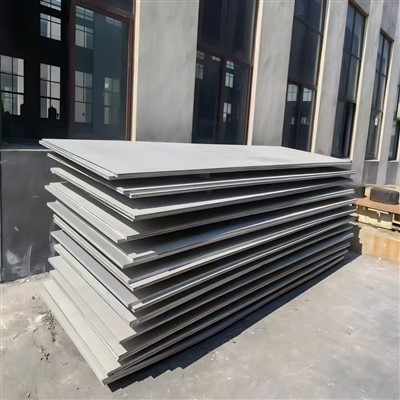

Rose Gold Hairline Stainless Steel, known for its continuity, erosion resistance, and satiny appearance, is a protean material used in colorful diligence. Achieving different face homestretches on pristine sword allows for indeed further operations. One of the homestretches that has garnered attention for its aesthetic appeal and practicality is the hairline finish. In this expansive companion, I'll explore the ways and styles involved in creating a hairline finish on pristine sword shells, slipping light on the art and wisdom behind it.
What's Hairline Finish in Stainless Steel?
Before probing into the complications of the process, it's essential to grasp what a hairline finish entails. A hairline finish is a type of face finish applied to pristine sword that imparts a dull appearance with fine, resemblant lines running slightly across the essence's face. This finish is favored for its elegant andnon-reflective parcels, making it an excellent choice for a variety of operations. Hairline- finished pristine sword is particularly famed for its capability to conceal minor scrapes and defects.
How Do You Make Stainless Steel Matte?
Creating a matte finish on pristine sword involves a sequence of precise way and a mix of ways. Let's explore the trip to transfigure a candescent face into a matte one.
Surface Preparation
The path to a matte finish starts with scrupulous face medication. This involves a thorough cleaning of the pristine sword to remove any dirt, grease, or pollutants. A clean oil is abecedarian to insure that the finish adheres unevenly.
Grinding
Grinding is a abecedarian mechanical process and a vital step in achieving a matte finish. It utilizes abrasive belts or bus to exclude a thin subcaste of material from the pristine sword's face. The end is to level out defects and establish a harmonious texture.
grinding
Sanding is a critical stage in making pristine sword matte. It involves the use of fine- fortitude sandpaper or abrasive belts to produce the subtle texture specific of a matte finish. The direction of sanding is of utmost significance, as it determines the exposure of the lines on the finished face. thickness in the direction of sanding is crucial to achieving a professional matte finish.
Final Polishing
After casting the asked texture through grinding and grinding, a final polishing step may be necessary. This step is aimed at barring any remaining scrapes or defects, guaranteeing a smooth and indeed dull appearance. It's this final touch that adds a touch of refinement to the pristine sword face.
What's the Stylish Way to Finish Stainless Steel?
Rose Gold Hairline Stainless Steel offers a variety of finishing options, each acclimatized to specific operations and aesthetic preferences. Let's claw into some of the most common styles of finishing pristine sword and determine the ideal scripts for their operation.
Polished Finish
Polishing is a extensively habituated system for finishing pristine sword shells. It employs abrasives and mechanical processes to produce a reflective, glass- suchlike finish. This finish is largely seductive in terms of aesthetics and is constantly chosen for operations where a glowing shine is the asked outgrowth. still, it may be susceptible to displaying fingerprints and scrapes, making it lower than ideal for high- business areas.
Brushed Finish
The brushed finish, an intermediate option, provides a subtle luster and texture. Achieved by brushing the pristine sword face with abrasive belts, it's a popular choice for appliances and architectural rudiments. The brushed finish offers a concession between the high reflectivity of polished shells and the understated matte finish.
Hairline Finish
The hairline finish, our main focus, is famed for its clean, dull appearance. It boastsnon-reflective parcels, making it an excellent choice for colorful operations, including artificial outfit and interior design. Its unique capability to conceal minor mars adds to its appeal.
Electrochemical Finishing
Electrochemical finishing uses chemicals and an electric current to etch the face of pristine sword. This process can produce colorful homestretches, including the hairline finish. Its advantages include perfection and thickness, which are frequently grueling to achieve with homemade styles.
Mechanical Processes
Mechanical processes involve the use of abrasives, grinding belts, and other tools to produce the asked finish. The hairline finish, which is the focus of our discussion, relies heavily on mechanical ways to achieve its distinctive appearance. The hands- on nature of these processes requires skill and attention to detail.
What's the Difference Between Hairline and 2B Finish?
In the realm of pristine sword homestretches, the terms" hairline" and" 2B" are generally used, each offering a distinct appearance. Let's explore the differences between these two homestretches to gain a deeper understanding of their unique characteristics.
Hairline Finish
A hairline finish, as we have explored in detail, is celebrated for its dull appearance with fine, resemblant lines running slightly across the pristine sword face. It presents anon-reflective, elegant finish that can effectively conceal minor scrapes and defects. Hairline- finished pristine sword is popular in operations where aesthetics and functionality are inversely important.
2B Finish
Again, the 2B finish is relatively different. It's a common shop finish and is frequently considered the standard for pristine sword shells. The 2B finish leaves pristine sword with a lustrous appearance, featuring a slight luster and reflective rates. It's achieved through cold- rolling the pristine sword and annealing it in a controlled atmosphere. While it offers some position of erosion resistance, it may not be as aesthetically pleasing as the hairline finish.
The choice between a hairline finish and a 2B finish largely depends on the specific operation and the asked appearance. Hairline homestretches are favored for their matte fineness, while 2B homestretches are more common in operations where aesthetics are lower of a concern, and erosion resistance is the primary consideration.
In conclusion, the process of creating a Rose Gold Hairline Stainless Steel on pristine sword shells is a scrupulous art, blending artificer with perfection. The result is anon-reflective, dull face with fine, unidirectional lines that enhance both the appearance and functionality of pristine sword. Understanding the differences between colorful pristine sword homestretches, similar as hairline and 2B, is essential for choosing the most suitable finish for a particular operation. Whether you are a professional in the field or simply an sucker eager to learn further about pristine sword homestretches, this companion equips you with precious knowledge about the process and its operations.