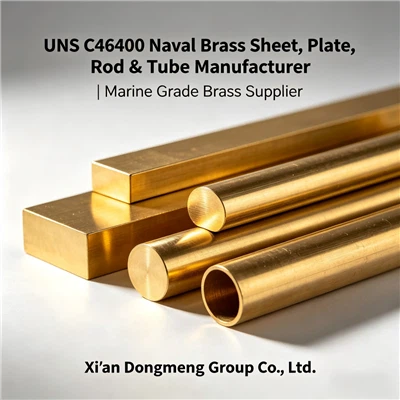

Which copper pipe or aluminum pipe is more suitable for high-pressure fluid delivery system?
When selecting copper versus aluminum tubing for use in high-pressure fluid delivery systems, there are many factors to consider, including the material's physical properties, corrosion resistance, cost, and specific application needs. Here are some comparisons of the two materials:
Physical properties:
Copper pipe has excellent strength and ductility and can withstand high pressure and impact forces. It also has excellent thermal and electrical conductivity, which is beneficial for systems that need to dissipate heat quickly or avoid static build-up.
Aluminum tubes are relatively lightweight but less strong. Under the same pressure, aluminum pipe may require thicker wall thickness to maintain structural integrity. However, aluminum tubes conduct heat better than copper tubes, which helps dissipate heat.
Corrosion resistance:
Copper pipes have good corrosion resistance and can resist attack by a variety of chemicals, including acids, alkalis, and salts. This makes copper pipes more reliable when transporting corrosive fluids.
Aluminum pipe also has good corrosion resistance in most environments, but may be attacked by certain chemicals. In addition, aluminum pipes are prone to forming oxide layers in oxygen-containing environments, which may affect their performance.
cost:
Aluminum tubing is generally less expensive than copper tubing, so it may have a cost advantage. However, in some applications, using copper tubing may result in better long-term performance and lower maintenance costs.
Application requirements:
If the system needs to withstand high pressure, high temperature, or the delivery of corrosive fluids, copper pipe may be a better choice because of its greater strength and corrosion resistance.
If the system has strict weight and cost requirements and the fluid is less corrosive to the material, aluminum tubing may be a more suitable choice.
In summary, copper pipes and aluminum pipes each have their own advantages and disadvantages in high-pressure fluid delivery systems. When choosing, you need to comprehensively consider factors such as specific application requirements, system conditions, and budget. In some cases, new materials such as copper-aluminum composite pipes may need to be considered to meet specific performance requirements.
Here are some specific examples:
Specifications:
Outer diameter: The outer diameter of the copper tube is an important parameter in formulating the specifications of the copper tube. Common specifications range from 6mm to 300mm.
Wall thickness: The wall thickness of a copper pipe refers to the distance between the outer diameter and the inner diameter of the pipe. Common wall thickness specifications range from 0.5mm to 20mm.
Length: The length of copper pipe is generally 4-6 meters, but special lengths can also be customized according to needs.
In addition, copper pipes also have inner diameter specifications, such as 6mm, 8mm, 10mm, 12mm, etc., and outer diameter specifications, such as 9.52mm, 12.7mm, 15.88mm, 19.05mm, etc.
Brand:
Copper tube: This is a copper material made of copper as the main component and adding a small amount of other elements. Its grades usually adopt the GB/T5231-2012 standard, and common ones include H59, H62, H65, etc. Copper tubes have the characteristics of electrical conductivity, thermal conductivity and corrosion resistance, and are mainly used in the manufacturing of electrical equipment, chemical equipment, water pipes and other fields.
Brass tube: This is a copper material made of copper and zinc as the main components, with a small amount of other elements added. Its grades usually adopt the standard of GB/T8890-2018, and common ones include H68, H80, H90, etc. Brass tubes have good processing properties and corrosion resistance and are mainly used in the manufacturing of furniture, bathroom equipment, auto parts and other fields.
In addition, there are some specific grades, such as:
TP1: This is a copper tube with high purity, excellent electrical and thermal conductivity, and is mostly used in electric vacuum instruments, instruments, equipment, etc.
TP2: This kind of copper tube has high purity and is mostly used as air conditioning tubes, condenser tubes, evaporators, heat exchangers, etc.
TU1, TU2: These copper pipes are mainly used for cold and hot water pipes, air conditioners, ice making equipment, etc.
The above are just some examples of specifications and grades of copper pipes. In fact, there are many specifications and grades of copper pipes, and you can choose according to your specific needs. When purchasing copper pipes, it is recommended to purchase from reliable suppliers and ensure that the selected products comply with relevant industry standards.
Which copper pipe specifications are suitable for high-pressure fluid delivery systems?
In high-pressure fluid delivery systems, it is crucial to select the appropriate copper pipe specifications and grades. The following are some specifications and common grades of copper pipe suitable for high-pressure fluid delivery systems:
Specification:
The specifications of copper pipe are usually expressed by outer diameter (OD) and wall thickness (WT). In high-pressure applications, larger outer diameters and thicker wall thicknesses are often selected to ensure adequate pressure-bearing capabilities. Specific specifications depend on the system's pressure requirements, fluid properties, and piping system design.
For example, copper pipe specifications that may be used in high-pressure fluid delivery systems include, but are not limited to:
Outside diameter (OD): 25mm, 32mm, 40mm, 50mm, etc. (depending on system requirements)
Wall Thickness (WT): Determined based on OD and pressure requirements, typically thicker than low pressure systems
Brand:
In high-pressure fluid transportation systems, commonly used copper pipe grades include:
TP2: TP2 is a brand of pure copper, also known as No. 2 copper or red copper. It has high strength and good ductility, and can withstand high pressure and impact. TP2 copper pipe is widely used in high-pressure fluid transportation systems, especially where high corrosion resistance and thermal conductivity are required.
KFR: KFR is another commonly used high-pressure copper pipe grade with good high-pressure resistance and corrosion resistance. It is commonly used for high-pressure fluid transfer in refrigeration, air conditioning and heat pump systems.
It is important to note that specific grade selection may vary based on the specific needs of the system, fluid properties, and local codes and standards. When selecting copper pipes, it is recommended to consult a professional engineer or supplier to ensure that the selected copper pipes meet the requirements of the system and have good performance.
In addition, in addition to selecting the appropriate specifications and grades of copper pipes, you also need to pay attention to the connection method, installation and maintenance of the copper pipes to ensure the safe and reliable operation of the entire fluid delivery system.
How to choose copper tube specifications and prices for high-efficiency refrigeration systems?
1. Determine system requirements:
First, clarify the size, purpose and performance requirements of the refrigeration system. This includes the cooling capacity, flow, pressure and other parameters of the system.
Consider the operating environment and fluid properties of the system, such as temperature, corrosivity, cleanliness, etc.
2. Choose the appropriate copper pipe specifications:
According to the system requirements, select the appropriate outer diameter and wall thickness of the copper pipe. Thicker wall thickness typically allows for higher pressures, but also increases cost and weight.
Consider the connection method of the copper pipe, such as welding, threaded connection or flange connection, and ensure that the selected copper pipe is compatible with the connection method.
Pay attention to the length and bend radius of the copper pipe to ensure it is easy to install and use in the system.
3. Choose the appropriate copper pipe grade:
Common copper pipe grades include TP2, KFR, etc. TP2 is a grade of pure copper with high strength and good ductility; KFR has good high pressure resistance and corrosion resistance.
Select the appropriate copper pipe grade based on the specific needs of the system and environmental conditions.
4. Consider price factors:
On the premise of meeting system requirements, compare the prices of copper pipes of different specifications and brands.
Consider long-term economics, including factors such as the life of the copper pipe, maintenance costs and energy consumption.
Negotiate with suppliers to obtain reasonable prices and quality after-sales service.
5. Consult professional advice:
When selecting copper pipe specifications and prices, you can consult refrigeration system designers, engineers or suppliers for advice. They can provide you with suitable advice based on your needs and budget.
6. Consider other factors:
Consider the environmental protection and sustainability of copper pipes and choose products that comply with local regulations and standards.
Consider the transportation and storage conditions of copper pipe to ensure that it maintains good performance and quality before installation.
In short, choosing copper pipe specifications and prices for high-efficiency refrigeration systems requires comprehensive consideration of multiple factors. By clarifying system requirements, selecting appropriate specifications and grades, considering price factors, seeking professional advice, and considering other factors, you can ensure that the selected copper pipe will meet the performance and economic requirements of the system.
our case

Case 1:Industrial Cooling System
System specification:
A large industrial factory needs to install a cooling system to reduce equipment temperature and ensure production efficiency. The cooling system needs to be connected to multiple high-power mechanical equipment and be able to operate stably in high-temperature environments.
system requirement:
High temperature resistance: Since industrial environments usually have high temperatures, copper pipes need to have good high temperature resistance to ensure long-term stable operation of the system.
Pressure bearing capacity: The cooling system needs to operate at a higher pressure to provide adequate cooling. Therefore, it is necessary to select copper pipe specifications that can withstand high pressure.
Corrosion resistance: Various chemicals may be present in industrial environments, and copper pipes need to have good corrosion resistance to prevent leakage or failure due to corrosion.
Flow requirements: Based on the heat dissipation needs of the equipment and the layout of the cooling system, the appropriate coolant flow rate needs to be determined to ensure that each piece of equipment is adequately cooled.
Copper tube specification selection:
Pipe diameter: Select the appropriate pipe diameter based on flow requirements and equipment layout to ensure adequate coolant flow and reduce energy consumption.
Wall thickness: According to the working pressure and high temperature resistance requirements of the system, choose a thicker wall thickness to ensure that the copper pipe can withstand high pressure and high temperature.
Material: Choose copper pipe materials with better corrosion resistance, such as copper pipes containing alloy elements, to improve the corrosion resistance and reliability of the system.
Case 2:Building hot water supply system
System specification:
A new high-rise apartment building needs to install a hot water supply system to provide hot water to the residents. The system needed to be connected to each resident's bathroom and kitchen and be able to operate reliably between floors.
system requirement:
Pressure-bearing capacity: Since the system needs to be connected to multiple floors, the copper pipes need to be able to withstand the pressure caused by the height difference between floors.
Corrosion resistance: Hot water supply systems usually use water containing chemical additives, and copper pipes need to have good corrosion resistance to prevent leakage or failure due to corrosion.
Ease of installation: Due to the limited space in apartment buildings, it is necessary to choose copper pipe specifications that are easy to install and connect.
Thermal efficiency: Considering energy efficiency requirements, copper pipe specifications with higher thermal efficiency need to be selected to reduce energy loss and operating costs.
Copper tube specification selection:
Pipe diameter: Select the appropriate pipe diameter according to the hot water needs of the residents and the floor layout to ensure that each resident can receive sufficient hot water supply.
Wall thickness: According to the pressure-bearing capacity and corrosion resistance requirements of the system, select an appropriate wall thickness to ensure that the copper pipe can withstand the pressure generated by the height difference between floors and resist corrosion from chemical additives.
Connection method: Choose a connection method that is easy to install and disassemble, such as crimping or threaded connection, to facilitate construction and maintenance.
Material: Choose a copper pipe material with better corrosion resistance to improve the reliability and durability of the system.
These cases demonstrate how to select appropriate copper pipe specifications based on system requirements in different application scenarios. In practical applications, comprehensive considerations and selections need to be made based on specific circumstances.


Case 3:Commercial Refrigeration System
System specification:
A large supermarket needs to install a commercial refrigeration system to maintain the freshness of frozen and refrigerated food. The system needs to cover multiple areas, including the freezing area, refrigeration area, and fruit and vegetable area, and each area has different requirements for temperature control.
system requirement:
Temperature control: The freezing area needs to be kept between -18°C and -24°C, the refrigerated area needs to be kept between 0°C and 5°C, and the fruit and vegetable area needs a slightly higher temperature.
Flow requirements: Based on the size of the supermarket and expected passenger flow, appropriate refrigerant flow needs to be determined to ensure temperature stability in various areas.
Pressure bearing capacity: Since refrigeration systems usually operate under a certain pressure, copper pipes need to be selected that can withstand the system's operating pressure.
Connection method: Considering the complexity of the system and installation efficiency, it may be necessary to choose connection methods such as welding or crimping.
Copper tube specification selection:
Pipe diameter: Depending on the flow requirements, copper pipes of different diameters can be selected. For example, the freezing area may require a larger pipe diameter to provide sufficient refrigerant flow.
Wall thickness: Choose the appropriate wall thickness according to the working pressure of the system to ensure that the copper pipe can withstand the working pressure of the system.
Length and bending radius: According to the layout and installation space of the supermarket, select the appropriate length and bending radius of the copper pipe to facilitate installation and connection.
Case 4: Household central air conditioning system
System specification:
A home needs to install a central air conditioning system to regulate the temperature of the entire house. The system needs to cover different areas such as living room, bedroom, kitchen and bathroom.
system requirement:
Temperature control: Set the appropriate temperature range according to the comfort needs of family members and the usage of different areas.
Energy efficiency requirements: Consider the energy efficiency ratio (EER) and energy efficiency grade of the system and select energy-efficient copper pipe specifications.
Pressure bearing capacity: Ensure that the selected copper pipe can withstand the working pressure of the system while considering the safety of the system.
Connection method: According to home decoration and installation conditions, choose the appropriate connection method, such as welding, threaded connection or crimping.
Copper tube specification selection:
Pipe diameter: Select the appropriate pipe diameter based on the area of the house, number of floors, and expected load to ensure the cooling/heating effect of the system.
Wall thickness: Choose the appropriate wall thickness based on the system's working pressure and safety requirements.
Length and bending radius: According to the structure and installation space of the house, select the appropriate length and bending radius of the copper pipe to facilitate installation and connection.
These cases illustrate how to select the appropriate copper pipe size based on system requirements. In practical applications, other factors need to be considered, such as cost, maintenance convenience, and system scalability.