
When sourcing high-quality 8006 aluminum foil or 8011 aluminum foil, choosing a reliable aluminum foil manufacturer and supplier is essential for both industrial and household applications. These 8xxx series aluminum foils are widely used in food packaging foil, household cooking foil, flexible packaging foil, chocolate wrapping foil, and disposable food trays. Leading aluminum foil factories provide custom thickness, roll width, and surface finish to meet global ASTM, EN, and ISO standards. Understanding the key differences between 8006 foil and 8011 foil helps buyers select the right premium aluminum foil for packaging, baking, or industrial use, ensuring cost-effective, high-performance solutions.

What's the difference between 8006 aluminum foil and 8011 aluminum foil?
The difference between 8006 aluminum foil and 8011 aluminum foil primarily lies in their chemical composition and mechanical properties, which make them suitable for different applications.
Chemical Composition
Mechanical Properties
Applications
Chemical Composition
8006 Aluminum Foil
Higher iron (Fe) content than 8011.
Higher magnesium (Mg) content, which contributes to its strength.
8011 Aluminum Foil
Contains a higher percentage of silicon (Si) compared to 8006.
Lower magnesium content than 8006.

| Feature | 8006 Aluminum Foil | 8011 Aluminum Foil |
|---|---|---|
| Alloy type | Al–Fe–Si | Al–Fe–Si (higher Fe & Si) |
| Thickness range | 0.006mm – 0.2mm | 0.006mm – 0.2mm |
| Surface | Smooth, shiny | Smooth, slightly dull |
| Common use | Food wrapping, candy packaging | Household foil, food trays, flexible packaging |
| Heat resistance | Moderate | High |
| Strength | High | Moderate |
Mechanical Properties

8006 Aluminum Foil
Known for its higher tensile strength and better formability.
It is not as malleable as 8011 but offers better resistance to punctures and tears.
Often used in applications that require higher mechanical strength, such as container foils and heavy-duty packaging.
8011 Aluminum Foil
More malleable and easier to process, making it ideal for household foils, heat-sealing lids, and pharmaceutical packaging.
It has lower tensile strength but offers good corrosion resistance and is often used in applications where flexibility is key.
Applications
Commonly used in manufacturing container foils, food packaging, and other industrial applications where higher strength is required.
8011 Aluminum Foil
Widely used for household aluminum foils, packaging, and other applications that prioritize flexibility and ease of use over strength.

Performance Differences
Formability & Flexibility
8011 is more ductile, easier to roll into thin sheets without cracking.
Corrosion Resistance
8006 has slightly better corrosion resistance in acidic or high-humidity environments.
Cost Efficiency
8011 is often more cost-effective for large-scale household foil production due to higher availability and better rolling efficiency.
Choosing the Right Foil
Use 8006 aluminum foil when:
High corrosion resistance is required
Food packaging quality and appearance are top priority
Use 8011 aluminum foil when:
Heat resistance and flexibility are essential
Household or industrial use requires larger roll production
International Standards & Certifications
High-quality 8006 aluminum foil and 8011 aluminum foil from reputable aluminum foil manufacturers are produced in compliance with strict international standards to ensure consistent quality, safety, and performance. Certified suppliers typically meet the following standards:
ASTM Standards:
ASTM B479 – Standard specification for aluminum and aluminum-alloy foil for flexible packaging
ASTM B547 / B234 – Thickness, mechanical properties, and corrosion resistance testing
EN / European Standards:
EN 573-3 – Chemical composition of aluminum and aluminum alloys
EN 485-2 – Mechanical properties of rolled products
ISO Certification:
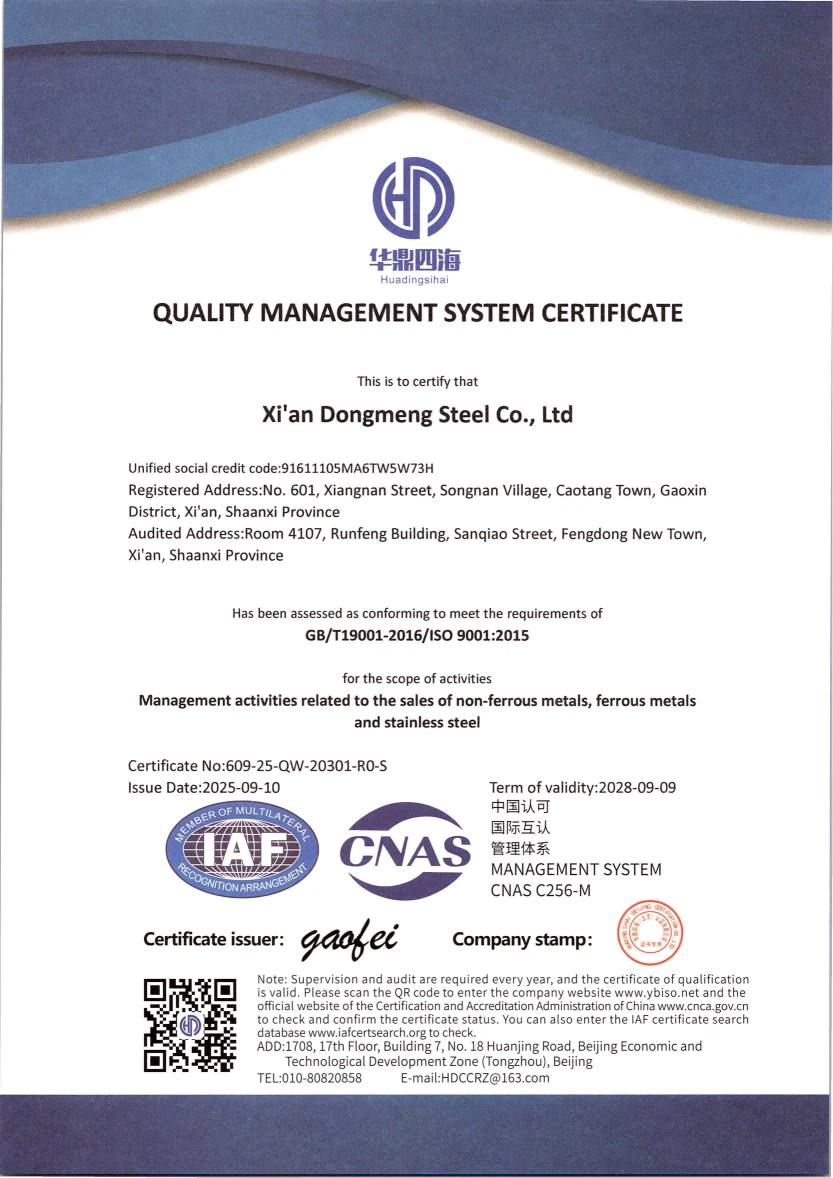
ISO 9001 – Quality management system certification, ensuring consistent thickness, width, and surface finish
Food Safety Compliance:
Meets FDA and LFGB standards for food contact materials (for packaging applications)
Other Certifications:
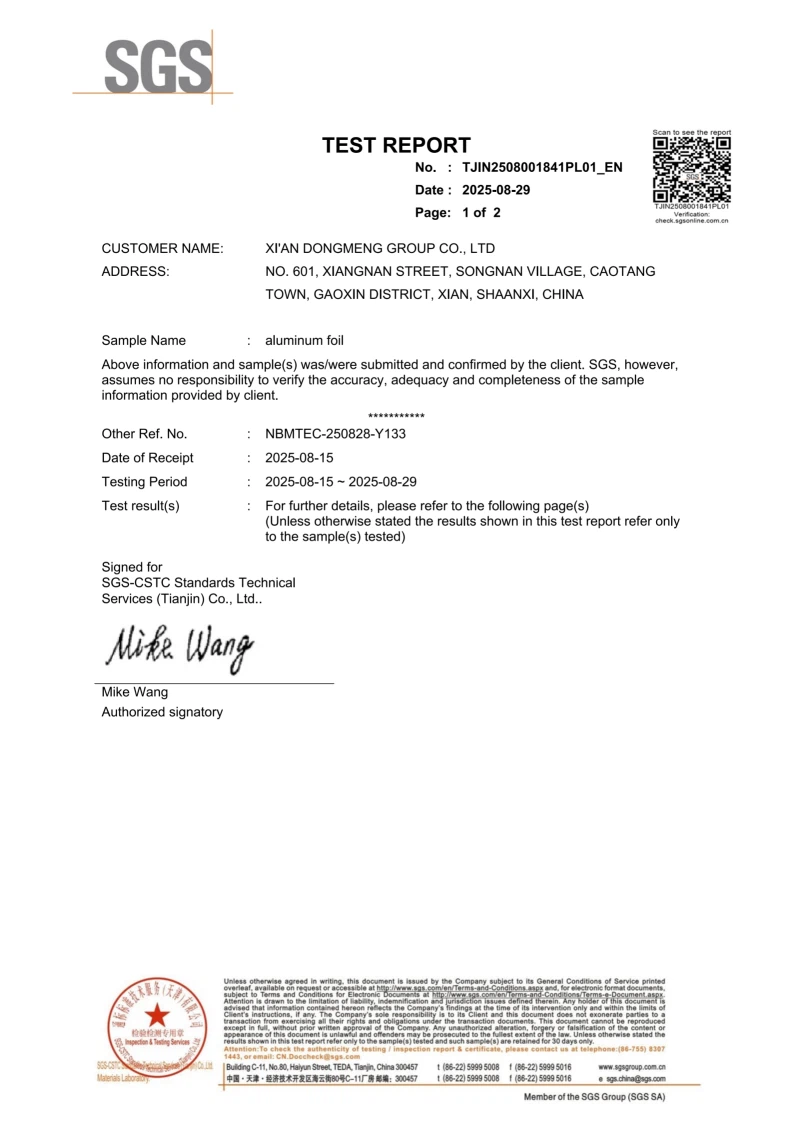
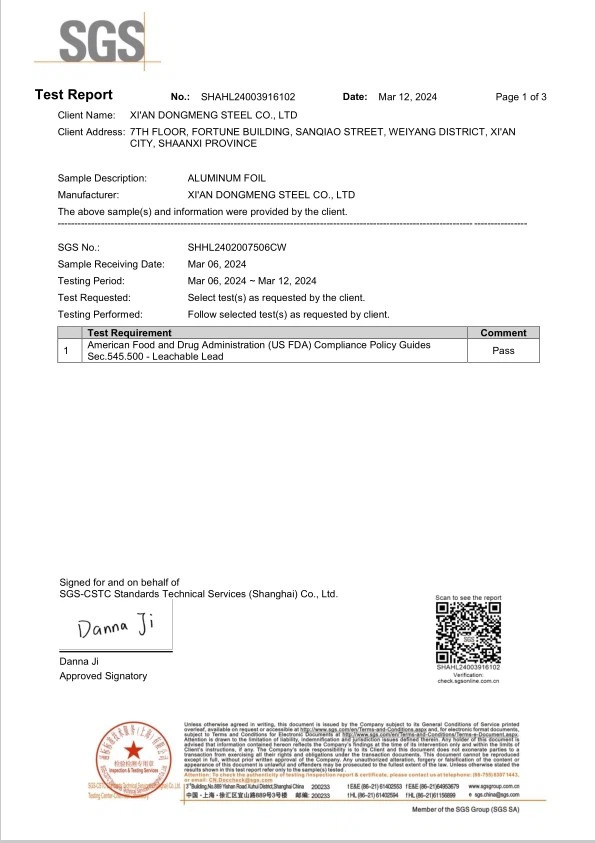
SGS, BV, or TUV inspection certificates are often provided for export-ready aluminum foil
By choosing certified 8006 or 8011 aluminum foil suppliers, buyers can ensure their products meet global quality requirements, reduce production risks, and guarantee food safety or industrial performance in applications ranging from household foil to flexible packaging.

In summary, 8006 aluminum foil is stronger and more resistant to tearing, making it suitable for heavier applications, while 8011 aluminum foil is more flexible and easier to process, making it ideal for everyday use in household and packaging applications.
Partner with Dongmeng Steel and experience the difference. Go beyond just products – unlock a comprehensive service ecosystem that empowers your projects for success.
While Dongmeng Steel boasts a comprehensive selection of premium stainless steel products, our commitment extends far beyond mere supply. We empower your projects with a suite of value-added services designed to streamline your workflow, optimize costs, and ensure project success.
Our address
Room 4107, Runfeng Building, Sanqiao New Street, Weiyang District, Xi'an City, Shaanxi Province
Phone Number
+86 15769214734

FAQ
Q1: What is the main difference between 8006 aluminum foil and 8011 aluminum foil?
A: 8006 aluminum foil has slightly higher corrosion resistance and is ideal for food packaging and chocolate wrapping, while 8011 aluminum foil offers better ductility, heat resistance, and formability, making it perfect for household foil, baking, and disposable trays.
Q2: Can I use 8011 aluminum foil instead of 8006 foil for candy packaging?
A: Yes, but 8006 foil provides a shinier finish and better protection against moisture or acidic foods, which is preferred for high-end food packaging.
Q3: What thickness and width ranges are available?
A: Both 8006 and 8011 aluminum foil can be produced in thickness from 0.006mm to 0.2mm and roll widths customized according to buyer requirements. Leading aluminum foil factories offer tailored solutions to meet industrial and household needs.
Q4: Are these foils compliant with international standards?
A: Yes, high-quality foils from certified aluminum foil suppliers comply with ASTM B479, EN 573-3, EN 485-2, and ISO 9001. For food packaging applications, FDA and LFGB compliance can also be provided.
Q5: Can I get custom rolls or packaging from a supplier?
A: Absolutely. Most professional aluminum foil manufacturers offer custom thickness, width, roll length, and surface finish to meet export and industrial requirements.
Q6: Which aluminum foil is more cost-effective for large-scale production?
A: 8011 aluminum foil is generally more cost-effective for household foil and industrial applications due to better rolling efficiency and wider availability, while 8006 is preferred for premium packaging.
Q7: How can I contact suppliers or request a sample?
A: You can reach out directly to certified aluminum foil factories or suppliers, request samples, pricing, and technical datasheets, and discuss customized solutions to meet your production or packaging needs.