
Will 304 stainless steel rust?
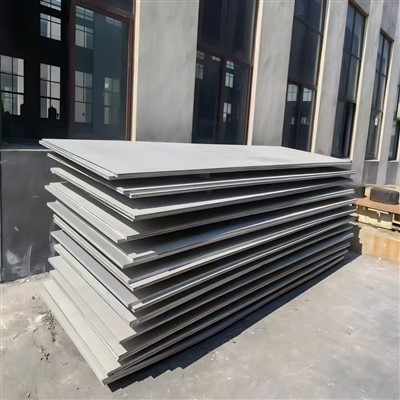
Stainless steel is a popular material used in a variety of applications because of its corrosion resistance, durability, and aesthetic appeal. However, one common question is whether stainless steel will rust over time. In this article, we will explore whether 304 stainless steel - one of the most widely used grades of stainless steel - will rust and the factors that can cause it to rust.
What is 304 stainless steel?
304 stainless steel is a type of austenitic stainless steel, which means it contains 18% chromium and 8% nickel. This combination enhances the corrosion resistance of the steel and makes it highly resistant to rust and stains. 304 stainless steel is often used in applications that require good corrosion resistance, such as kitchen sinks, cookware, and medical equipment.
Factors that can cause 304 stainless steel to rust
While 304 stainless steel is highly resistant to rust and corrosion, it is not completely immune to it. Here are some factors that can cause 304 stainless steel to rust:
1. Exposure to chlorides: Chlorides are one of the major factors that can cause stainless steel to rust. Chlorides such as salt water, bleach, and cleaning products containing chlorine can attack the passive layer of the stainless steel, causing it to rust. This is especially true in coastal areas where salt water can be in the air.
2. Low oxygen environments: Stainless steel requires oxygen to form and maintain its passive layer. In low oxygen environments, such as under water or in crevices, the passive layer may break down, causing the steel to rust.
3. Mechanical damage: Scratching or nicking the surface of the steel can expose it to the environment, making it more prone to rust. This is why it is important to avoid using abrasive cleaning materials on stainless steel surfaces.
4. Welding: Stainless steel can be welded, but the heat from the welding process can cause the steel to lose its passive layer, making it more susceptible to rust.
5. Contamination: Contamination from other metals or particles can cause stainless steel to rust. For example, if 304 stainless steel comes into contact with carbon steel, the carbon steel can cause rust staining on the 304 stainless steel.
Preventing 304 stainless steel from rusting
There are several steps you can take to prevent 304 stainless steel from rusting:
1. Avoid exposure to chlorides: If possible, avoid exposing 304 stainless steel to materials containing chlorides, such as salt water or cleaning products containing chlorine. If exposure is unavoidable, rinse the steel thoroughly with fresh water as soon as possible.
2. Maintain proper oxygen levels: Stainless steel requires oxygen to form and maintain its passive layer. Avoid storing or using stainless steel in low oxygen environments.
3. Avoid mechanical damage: Avoid using abrasive cleaning materials on stainless steel surfaces and handle the steel with care to avoid scratching or nicking the surface.
4. Proper welding techniques: If welding is necessary, use proper welding techniques and procedures to minimize heat damage to the stainless steel.
5. Avoid contamination: Avoid contact between 304 stainless steel and other metals or particles that could cause contamination and rust.
Conclusion
While 304 stainless steel is highly resistant to rust and corrosion, it is not completely immune to it. Factors such as exposure to chlorides, low oxygen environments, mechanical damage, and contamination can all cause 304 stainless steel to rust. However, by taking proper precautions and following best practices, you can greatly reduce the risk of rust and maintain the durability and aesthetics of your stainless steel products.