
What is the difference between steel bars and rebar?
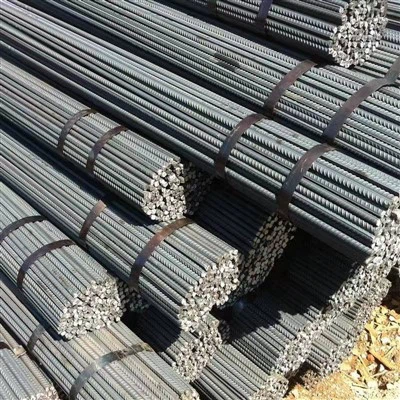
One prominent dissimilarity between steel bars and steel rebars is ther surface texture. A steel bar exhibits a smoothsurface, while rebars feature a ribbed or deformed surface. This texture differential significantly enhances the bondbetween the steel and the concrete, ultimately elevating durability and structural integrity.

Different Shapes
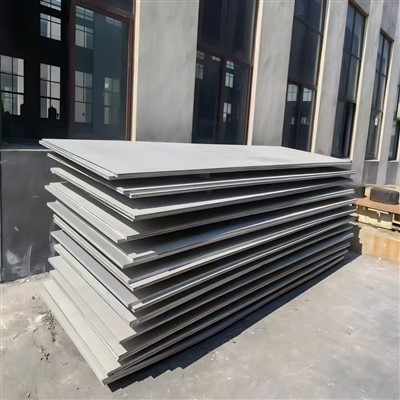
Round steel bars have a smooth surface.
Rebars (ribbed bars) feature spiral ribs on the surface for better concrete bonding.
Different Production Standards
Round steel bars (HPB235) comply with 《Hot-rolled Plain Steel Bars for Reinforced Concrete》 (GB13013).
Rebars (HRB335/HRB400) follow 《Hot-rolled Ribbed Steel Bars for Reinforced Concrete》 (GB1499).


Different Strength Grades
Round steel (HPB235): Design strength = 210MPa.
Rebars:
HRB335: Design strength = 300MPa.
HRB400: Design strength = 360MPa (higher than round steel).
Different Steel Types (Chemical Composition)
Round steel (HPB235): Made of carbon steel (Q235).
Rebars: Classified as low-alloy steel:
HRB335: 20MnSi (20 manganese silicon).
HRB400: 20MnSiV / 20MnSiNb / 20MnTi (with vanadium, niobium, or titanium additives).

Moreover,the method of installation distinguishes these two materials. Steel bars are commonly integrated into theconcrete before it sets, while steel rebars are embedded into the concrete after it has solidified. This implies that steelrebars necessitate cutting to size and bending to fit, Thus makes their instalation more labour-intensive compared to thestraightforward installation of steel bars.
When it comes to cost considerations, steel bars typically come at a lower price point than steel rebars. This price disparityis attributed to the simpler manufacturing process and more straightforward installation of steel bars. Nonetheless, it isessential to recoanise that steel rebars deliver superior performance and exhibit a longer lifespan, rendering them avaluable investment in various construction projects.
In anutshel. both steel bars and steel rebars play vital roles in construction, but their distinctions in surface texture.instalation methods, and cost are noteworthy, Steel rebars, with their enhanced durablity and structural intearity, emergeas the preferred choice for high-stress applications. Meanwhile, steel bars remain a reliable option for standard concretereinforcement.
What Types of Rebar Are There?
Rebar comes in different varieties, each with unique properties and best suited for specific applications.
Here are some of the most common types:
►Black Rebar (Carbon Steell: This is the most common and economical tvpe of rebar, it's made of unfinished carbonsteel, offering excellent strength. But, it's prone to corrosion, especially in environments with high moisture orexposure to corrosive elements like salt.
►Epoxy-Coated Rebar: This type of rebar is coated with a protective epoxy laver, providing significantly improvedcorrosion resistance. This makes it ideal for structures exposed to moisture, chlorides like in coastal areas, or deicing salts. While more expensive than black rebar, it offers enhanced durability and longevity.
►Stainless Steel Rebar: For the ultimate in corrosion resistance, stainless steel rebar is the top choice. it's highlvresistant to rust and can withstand even the harshest environments, such as those found in chemical plants orwastewater treatment facilities, But, this premium performance comes with a higher price tag.
►Galvanized Rebar: Another option for corrosion protection is galvanized rebar, which is coated with a layer of zinc.
This provides good corrosion resistance, although not as high as epoxy-coated or stainless steel rebar.
When choosing the right type of rebar, you must weigh in factors like:
►Project location and environmental conditions: Wil the structure be exposed to moisture, salt, or other corrosiveelements?
►Durability reguirements: How long does the structure need to last?
►Budget: What are the cost constraints of the project?



Rebar Installation and Inspection
Installing rebar involves careful planning, positioning, and securing the reinforcement within the concrete forms.Proper placement ensures optimal load distribution and structural integrity. Rebar inspection is necessary to verifycompliance with design specifications, detect any defects or improper installation, and ensure the overall quality of thereinforced concrete structure.
Importance of Rebar Inspection
Rebar inspection helps identify potential weaknesses, such as improper alignment, inadeguate cover, or damageduring construction. it helps prevent structural failures, maintains safety standards, and ensures the longevity anddurability of the completed structure.
How to inspect Rebar and What to Look For
During rebar inspection, professionals examine the reinforcement's placement, alignment, size, and condition. Theycheck for proper cover, secure ties or supports, corrosion, straightness, and compliance with engineering drawingsand specifications, Professionals use specialized tools and visual inspection technigues to assess the intearity of therebar.
Xi'an Dongmeng Steel Co., Ltd. is a well-known enterprise in the international steel market.which is certifed by SGS Group. lt focuses on providing high-quality steel bars to customers around the world, Since its establishment, we have beenadhering to the business philosophy of"quality-oriented, integrity-first", constantly pursuingexcellence and innovation, and committed to building a world-eading steel supply chainservice system. Our customers are all over the world.