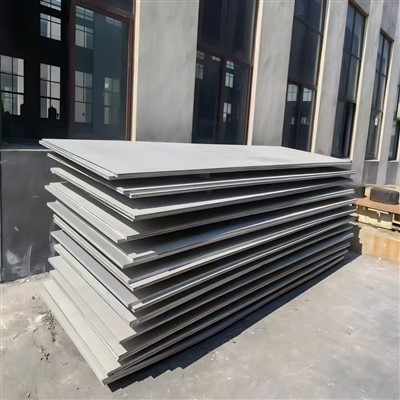

Exploring Hairline Finish in Stainless Steel
In the realm of interior design and architecture, the choice of materials holds the key to unlocking a world of elegance and sophistication. Among the myriad of options available, stainless steel stands out as a timeless favorite, celebrated for its durability, versatility, and aesthetic appeal. Within the domain of stainless steel finishes, one particular variant has been gaining increasing attention for its understated yet captivating charm - the hairline finish. In this exploration, we delve into the intricacies of hairline finish in stainless steel, uncovering its unique characteristics, applications, and allure.
What is Hairline Finish in Stainless Steel?
A hairline finish, also known as a brushed finish or satin finish, is a surface treatment applied to stainless steel to achieve a distinctive texture characterized by fine, parallel lines. Unlike polished finishes that boast a high level of reflectivity and sheen, the hairline finish exudes a more subdued elegance, imparting a sense of sophistication and refinement to stainless steel surfaces.
The process of achieving a hairline finish involves brushing the stainless steel surface with abrasive materials in a consistent, linear motion. This technique creates a uniform pattern of fine lines that run in the direction of the brushing, resulting in a soft, matte appearance with a subtle sheen. The precise control of brushing parameters, such as pressure, speed, and abrasive grit size, allows for customization of the hairline finish to meet specific design preferences and requirements.
Characteristics of Hairline Finish:
1. Subtle Texture: The hallmark of a hairline finish is its subtle texture, which is achieved through the brushing process. The fine lines impart a tactile quality to the stainless steel surface, inviting touch and engagement.
2. Uniform Appearance: Hairline finishes exhibit a uniform pattern of fine lines that run parallel to each other, creating a cohesive and visually pleasing aesthetic. This consistency adds to the overall elegance of the finished product.
3. Low Reflectivity: Unlike polished finishes that reflect light intensely, hairline finishes have a lower level of reflectivity, resulting in a soft, diffused sheen. This characteristic makes them ideal for applications where glare reduction is desired.
4. Conceals Imperfections: The brushing process of hairline finishing helps to mask minor imperfections and scratches on the stainless steel surface, enhancing its durability and longevity.
What should we pay attention to when processing stainless steel products?
When processing stainless steel products, attention to detail and adherence to best practices are essential to ensure high quality and precision. Here are several key aspects to consider:
1. Material Selection: Begin by choosing the appropriate grade of stainless steel for the intended application. Factors such as corrosion resistance, strength, and machinability should be taken into account when selecting the material.
2. Tooling and Equipment: Ensure that the tools and equipment used for processing stainless steel are suitable for the specific grade and thickness of the material. Carbide or high-speed steel tools are commonly used for cutting and machining stainless steel, while equipment such as saws, drills, and milling machines should be in good condition and properly calibrated.
3. Coolant and Lubrication: Proper coolant and lubrication are crucial during the processing of stainless steel to minimize heat buildup and prevent workpiece distortion or tool wear. Water-based coolants or cutting fluids specifically designed for stainless steel should be used to improve machining efficiency and surface finish.
4. Cutting Parameters: Optimize cutting parameters such as cutting speed, feed rate, and depth of cut to achieve the desired results while minimizing tool wear and material deformation. Experiment with different cutting strategies and parameters to find the most efficient and effective approach for the specific application.
5. Avoid Contamination: Stainless steel is susceptible to contamination from carbon steel, iron particles, or grease, which can lead to corrosion or surface staining. Ensure that all cutting tools, work surfaces, and handling equipment are clean and free from contaminants to maintain the integrity of the stainless steel material.
6. Post-Processing Treatments: Consider post-processing treatments such as passivation or pickling to remove surface contaminants and enhance the corrosion resistance of the stainless steel products. These treatments help to restore the protective oxide layer on the surface of the material, ensuring long-term durability and performance.
7. Quality Control: Implement thorough quality control measures throughout the processing stages to monitor dimensional accuracy, surface finish, and overall product quality. Inspect finished stainless steel products for any defects or imperfections and address any issues promptly to maintain high standards of craftsmanship.
By paying attention to these critical factors during the processing of stainless steel products, manufacturers can ensure the production of high-quality, precision-engineered components that meet the stringent requirements of various industries and applications.
Applications of Hairline Finish in Stainless Steel:
Architectural Accents: Hairline-finished stainless steel is widely used in architectural applications to add a touch of sophistication and modernity to spaces. It is often employed in wall cladding, elevator interiors, and column covers, where its subtle texture and sleek appearance complement contemporary design schemes.
1. Furniture and Fixtures: Hairline-finished stainless steel is a popular choice for furniture and fixtures in residential and commercial settings. It is frequently used in kitchen appliances, cabinetry hardware, and bathroom accessories, where its durability and aesthetic appeal make it a preferred option.
2. Decorative Elements: Hairline-finished stainless steel lends itself well to decorative elements such as signage, artwork, and sculpture. Its subtle texture and understated elegance can enhance the visual impact of these features, making them focal points in interior and exterior spaces.
3. Industrial Applications: In addition to its decorative uses, hairline-finished stainless steel also finds application in industrial settings. It is employed in equipment and machinery where corrosion resistance, durability, and aesthetic considerations are paramount.
Conclusion:
In conclusion, hairline finish in stainless steel offers a perfect balance of elegance, durability, and versatility, making it a sought-after choice for a wide range of applications. Whether adorning architectural facades, furnishing interiors, or accentuating decorative elements, the subtle texture and refined appearance of hairline-finished stainless steel add a touch of sophistication to any space. As designers and architects continue to explore innovative ways to elevate their creations, the enduring appeal of hairline finish in stainless steel is poised to remain a timeless favorite in the world of design.
References:
ASTM A480/A480M-20a, Standard Specification for General Requirements for Flat-Rolled Stainless and Heat-Resisting Steel Plate, Sheet, and Strip.
F. Lancaster, "Metals Handbook: Desk Edition", ASM International, 1998.