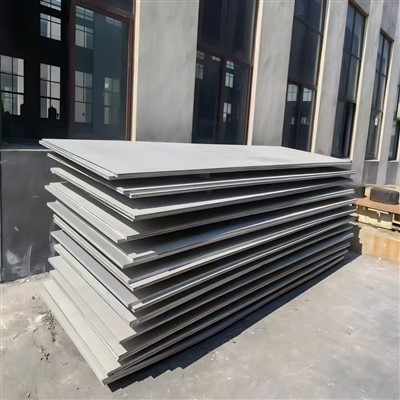

Stainless steel, a versatile material known for its corrosion resistance and durability, comes in various grades tailored to specific applications. Among the commonly used grades, 201 and 304 stainless steel coils stand out for their distinct compositions and characteristics. In this article, we will explore the differences between 201 and 304 stainless steel coils, shedding light on their compositions, properties, and applications.
Understanding 201 Stainless Steel Coil
1. Composition:
201 stainless steel is an austenitic chromium-nickel-manganese alloy. Its composition typically includes approximately 16-18% chromium, 3.5-5.5% nickel, and 5.5-7.5% manganese. The higher manganese content sets it apart from other austenitic grades, influencing its performance characteristics.
2. Characteristics:
Corrosion Resistance: 201 stainless steel offers moderate corrosion resistance. While suitable for a range of applications, it may not match the corrosion resistance levels of higher-grade stainless steels like 304.
Formability and Weldability: Known for its excellent formability, 201 stainless steel is ideal for applications requiring intricate shapes. It is also weldable, facilitating ease of fabrication in manufacturing processes.
Cost-Effectiveness: The cost-effectiveness of 201 stainless steel makes it a popular choice, striking a balance between desirable properties and affordability.
Understanding 304 Stainless Steel Coil
1. Composition:
304 stainless steel is also an austenitic stainless steel but with a different composition. It typically consists of around 18-20% chromium and 8-10.5% nickel. The absence of manganese as a significant alloying element distinguishes it from 201 stainless steel.
2. Characteristics:
Corrosion Resistance: 304 stainless steel is renowned for its excellent corrosion resistance. Its high chromium and nickel content contribute to its ability to withstand corrosive elements, making it suitable for a wide range of applications, especially in harsh environments.
Strength and Durability: With higher nickel content than 201 stainless steel, 304 exhibits superior strength and durability. It is well-suited for applications where structural integrity and longevity are paramount.
Versatility: 304 stainless steel is versatile and finds applications across various industries, including food processing, chemical processing, and architectural uses, due to its corrosion resistance and aesthetic appeal.
Differences Between 201 and 304 Stainless Steel Coils
1. Corrosion Resistance:
201 Stainless Steel Coil: Displays moderate corrosion resistance, making it suitable for less corrosive environments.
304 Stainless Steel Coil: Exhibits excellent corrosion resistance, particularly in harsh and corrosive environments.
2. Strength:
201 Stainless Steel Coil: Generally possesses lower tensile strength compared to 304 stainless steel.
304 Stainless Steel Coil: Demonstrates higher tensile strength, contributing to its superior durability.
3. Nickel Content:
201 Stainless Steel Coil: Contains a lower nickel content.
304 Stainless Steel Coil: Features a higher nickel content, contributing to enhanced corrosion resistance and mechanical properties.
4. Manganese Content:
201 Stainless Steel Coil: Showcases higher manganese content.
304 Stainless Steel Coil: Lacks significant manganese content, distinguishing it from 201 stainless steel.
5. Applications:
201 Stainless Steel Coil: Commonly used in decorative and architectural applications, kitchenware, and certain industrial components where high corrosion resistance is not the primary concern.
304 Stainless Steel Coil: Preferred for applications requiring higher corrosion resistance, strength, and durability, such as in food processing, chemical processing, and architectural uses.
Considerations When Choosing Between 201 and 304 Stainless Steel Coils
1. Application Requirements:
For Less Corrosive Environments: If the application involves exposure to mild corrosive conditions and cost-effectiveness is a priority, 201 stainless steel coils may be suitable.
For Demanding Environments: In applications where superior corrosion resistance and higher strength are essential, opting for 304 stainless steel coils is advisable.
2. Budget Constraints:
Cost-Effective Option: 201 stainless steel coils are often chosen for their affordability, making them suitable when budget constraints are a significant consideration.
Enhanced Performance: If the application demands higher performance in terms of corrosion resistance, strength, and durability, the added cost of 304 stainless steel coils may be justified.
3. Formability Requirements:
Intricate Designs: If the application requires intricate shapes and designs, and corrosion resistance is not the primary concern, the excellent formability of 201 stainless steel coils may be advantageous.
Balanced Properties: For applications where a balance between formability and strength is crucial, 304 stainless steel coils offer a suitable compromise.
Conclusion
In conclusion, the choice between 201 and 304 stainless steel coils hinges on the specific requirements of the application. While both alloys belong to the austenitic family, their differing compositions result in variations in corrosion resistance, strength, and cost. The cost-effectiveness of 201 stainless steel makes it a practical choice for applications in less corrosive environments, emphasizing affordability. On the other hand, the superior corrosion resistance, strength, and versatility of 304 stainless steel position it favorably in demanding applications where longevity and performance are critical. Careful consideration of environmental conditions, budget constraints, and performance requirements will guide the selection process, ensuring that the chosen stainless steel coil aligns seamlessly with the demands of the specific use case.
Why Choose Dongmeng Steel?
Dongmeng Steel, the leading provider of stainless steel sheets, coils, strips, tubes, bars, and custom stainless steel products, is here to fulfill all your requirements.
Comprehensive Product Range: Whether you are in need of stainless steel sheets for industrial applications, precision coils for manufacturing, corrosion-resistant strips for critical projects, or custom-designed stainless steel products, Dongmeng Steel has it all. Our comprehensive product range ensures that we meet and exceed all your stainless steel requirements.
Request a Quote: Request a quote, and our sales team will promptly provide you with competitive pricing for the stainless steel products you require. We believe in transparent pricing and ensuring you get the best value for your investment.
Experience Seamless Procurement:: Once you've made your selection, experience a seamless procurement process. From order placement to delivery, we prioritize efficiency and customer satisfaction every step of the way.
Contact E-mail:office@dongmjd.com
References:
American Iron and Steel Institute. (2016). ASTM A240/A240M-16a: Standard Specification for Chromium and Chromium-Nickel Stainless Steel Plate, Sheet, and Strip for Pressure Vessels and for General Applications. West Conshohocken, PA: ASTM International.
Barsom, J. M., & Rolfe, S. T. (1999). Fracture and Fatigue Control in Structures: Applications of Fracture Mechanics (3rd ed.). ASTM International.
Ghosh, A. K. (Ed.). (2008). Stainless Steels for Medical and Surgical Applications. New York, NY: Woodhead Publishing.
Lee, S. H., & Nho, B. Y. (2011). Effect of Annealing Temperature on Microstructure and Mechanical Properties of 316 Austenitic Stainless Steel. Materials Transactions, 52(4), 763-767.
U.S. Department of Commerce. (2017). Stainless Steel Bar From Brazil, India, Japan, and Spain: Antidumping and Countervailing Duty Orders. Federal Register, 82(192), 45470-45471.