
Introduction
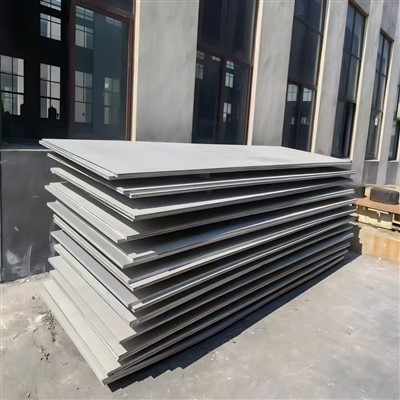
Stainless steel is a commonly used material in various industries, such as aerospace, automotive, and marine. Due to its high corrosion resistance, strength, and durability, it is an ideal choice for many applications. However, machining or welding stainless steel can be challenging, and it requires specific tools and techniques to achieve a high-quality finish. In this article, we will discuss the different methods and tools used to blast stainless steel and how to choose the right one for your project.
What is blasting?
Blasting is a process of propelling abrasive materials at high speed to remove surface contaminants, rust, and old paint, or to alter the surface finish of a material. Blasting can be done using various methods, such as sandblasting, shot blasting, bead blasting, and soda blasting. Each method has its advantages and disadvantages and is suitable for different applications.
Sandblasting
Sandblasting is the most common type of blasting, and it involves propelling fine sand particles at high speed to remove unwanted material from a surface. Sandblasting is suitable for removing heavy rust, paint, or scale from steel surfaces, but it may leave pitting or scratches on delicate materials like stainless steel. Therefore, sandblasting is not recommended for finishing stainless steel surfaces.
Shot blasting
Shot blasting is a more aggressive type of blasting, and it involves propelling small metal or mineral shots at high speed to clean a surface or provide a textured surface finish. Shot blasting is suitable for preparing stainless steel surfaces for welding or painting, as it removes surface contaminants and leaves a uniform surface texture. Shot blasting is also effective in removing mill scale, rust, and other stubborn contaminants on stainless steel surfaces.
Bead blasting
Bead blasting is a gentler type of blasting that uses small glass or ceramic beads to remove surface contaminants or provide a smooth surface finish. Bead blasting is suitable for delicate materials like stainless steel, as it does not leave scratches or pits on the surface. Bead blasting is also effective in removing rust, paint, and other surface contaminants on stainless steel surfaces.
Soda blasting
Soda blasting is a type of blasting that uses sodium bicarbonate or baking soda to remove surface contaminants and paint from delicate materials like stainless steel. Soda blasting is less aggressive than other types of blasting, and it does not damage the surface of the material. Soda blasting is suitable for removing paint, grease, oil, or other contaminants on stainless steel surfaces.
Choosing the right abrasive
Choosing the right abrasive material for blasting stainless steel is crucial to achieve a high-quality finish. The abrasive material should be hard enough to remove surface contaminants but not too hard to damage the surface of the material. The abrasive material should also be chemically inert to prevent contamination of the material or the environment. Some of the most commonly used abrasive materials for blasting stainless steel are:
- Aluminum oxide
- Silicon carbide
- Glass beads
- Ceramic beads
- Sodium bicarbonate
Each abrasive material has its advantages and disadvantages and is suitable for different applications. Aluminum oxide and silicon carbide are suitable for heavy-duty surface preparation, while glass beads and ceramic beads are suitable for surface finishing. Sodium bicarbonate is suitable for delicate materials like stainless steel, as it does not damage the surface of the material.
Choosing the right blasting equipment
Choosing the right blasting equipment is also crucial to achieve a high-quality finish on stainless steel. The blasting equipment should be suitable for the size of the project and the type of abrasive material used. Some of the most commonly used blasting equipment for stainless steel are:
- Pressure blasters: Pressure blasters use compressed air to propel abrasive material at high speed to clean or prepare surfaces. Pressure blasters are suitable for large projects or heavy-duty surface preparation.
- Siphon blasters: Siphon blasters use a vacuum to create a suction that propels abrasive material at high speed to clean or prepare surfaces. Siphon blasters are suitable for small projects or delicate materials like stainless steel.
- Wet blasters: Wet blasters use water to propel abrasive material at high speed to clean or prepare surfaces. Wet blasters are suitable for projects that require minimal dust or that involve delicate materials like stainless steel.
Safety precautions
Blasting can be a hazardous process, and it requires proper safety precautions to prevent accidents or injuries. Some of the most important safety precautions for blasting stainless steel are:
- Wearing protective gear, such as a helmet, goggles, gloves, and a respirator to prevent exposure to abrasive material and dust.
- Using a dust collection system to prevent dust and airborne particles from spreading.
- Ventilating the work area to prevent toxic fumes or vapors from accumulating.
- Checking the blasting equipment and abrasive material for damages or defects before use.
- Following the manufacturer''s instructions and safety guidelines for the blasting equipment and abrasive material.
Conclusion
Blasting is an effective method for cleaning, preparing, or finishing stainless steel surfaces, but it requires specific tools and techniques to achieve a high-quality finish. Choosing the right abrasive material and blasting equipment is crucial to prevent damage to the surface of the material and to achieve the desired finish. It is also important to follow proper safety precautions to prevent accidents or injuries. By following these guidelines, you can achieve a high-quality finish on stainless steel and ensure the longevity and performance of your project.