
What Are the Different Thickness Options for Water Ripple Stainless Steel Sheets?
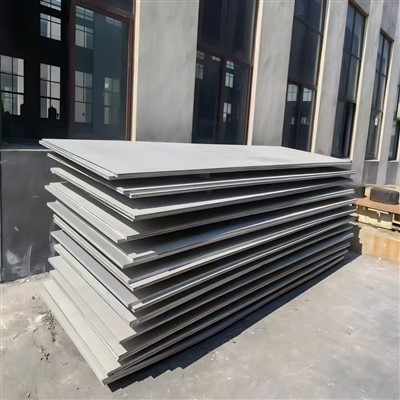
Water ripple stainless steel sheets are versatile architectural and design materials known for their unique aesthetic appeal and durability. One crucial aspect to consider when utilizing these sheets is their thickness, which directly impacts their structural integrity, visual appearance, and suitability for various applications. In this comprehensive exploration, we delve into the different thickness options available for these stainless steel sheets, examining their characteristics, benefits, and ideal uses.
Introduction to Products:
Water ripple stainless steel sheets, also known as textured or embossed stainless steel sheets, feature a distinctive pattern resembling ripples on the surface of water. This effect is achieved through specialized manufacturing processes, making each sheet unique in appearance. These sheets are commonly used in architectural, interior design, and industrial applications due to their aesthetic appeal, durability, and versatility.
Understanding Thickness in Stainless Steel Sheets:
Understanding the thickness of stainless steel sheets is crucial for determining their suitability for various applications. Thickness, typically measured in gauge or millimeters, directly impacts the sheet's strength, durability, and cost. Thicker sheets offer greater structural integrity and resistance to bending or denting, making them ideal for heavy-duty applications like industrial equipment or structural components.
Conversely, thinner sheets are lighter and more flexible, making them suitable for decorative purposes or applications where weight is a concern. It's essential to select the appropriate thickness based on the specific requirements of the project, considering factors such as load-bearing capacity, environmental conditions, and aesthetic preferences. By understanding the significance of thickness in stainless steel sheets, designers and engineers can make informed decisions to achieve optimal performance and longevity in their applications.
Common Thickness Options for Stainless Steel Sheets:
It is available in a range of thicknesses to suit different requirements and preferences. Common thickness options include:
0.8mm
1.0mm
1.2mm
1.5mm
2.0mm
3.0mm
Characteristics and Benefits of Different Thicknesses:
a. 0.8mm: This thinner option is lightweight and flexible, making it suitable for applications where weight is a concern or where the sheets need to conform to curved surfaces.
b. 1.0mm and 1.2mm: These mid-range thicknesses offer a balance between strength and flexibility, suitable for a wide range of interior and exterior applications, including wall cladding, decorative panels, and furniture.
c. 1.5mm and 2.0mm: These thicker options provide increased durability and load-bearing capacity, making them ideal for heavy-duty applications such as countertops, elevator doors, and column covers.
d. 3.0mm: This thickest option offers maximum strength and stability, suitable for structural elements, architectural features, and high-traffic areas requiring robust materials.
Applications and Uses of Different Thicknesses:
Thin sheets (0.8mm) are commonly used in decorative applications such as signage, lighting fixtures, and interior accents.
Mid-range thicknesses (1.0mm to 2.0mm) are versatile and widely used in architectural projects, including wall cladding, facades, ceilings, and partitions.
Thick sheets (2.0mm to 3.0mm) are preferred for applications requiring enhanced durability and impact resistance, such as elevator interiors, escalator cladding, and exterior building facades.
Considerations When Selecting Thickness:
When choosing the thickness of these stainless steel sheets, several factors should be considered, including:
1. Structural Requirements:
Assess the structural demands of the intended application to determine the minimum thickness required for adequate support and stability.
Consider factors such as load-bearing capacity, spanning distances, and structural integrity to avoid potential deflection or failure.
2. Aesthetic Preferences:
Determine the desired visual impact and aesthetic appeal of the water ripple stainless steel sheets in relation to the overall design concept.
Thicker sheets may impart a more substantial and pronounced texture, while thinner sheets may offer a more delicate or subtle appearance.
3. Functional Considerations:
Evaluate the functional requirements of the project, including durability, impact resistance, and longevity.
Thicker sheets offer enhanced durability and resistance to denting or deformation, making them suitable for high-traffic areas or heavy-duty applications.
4. Budget Constraints:
Consider the project budget and cost implications associated with different thickness options.
Thicker sheets generally incur higher material and fabrication costs, while thinner sheets may offer a more cost-effective solution without compromising quality or performance.
5. Installation Method:
Take into account the installation method and mounting system used for these stainless steel sheets.
Thicker sheets may require additional structural support or specialized installation techniques to ensure proper alignment and stability.
6. Environmental Factors:
Assess the environmental conditions of the installation site, including exposure to moisture, humidity, temperature fluctuations, and corrosive elements.
Select a thickness that offers adequate corrosion resistance and weatherability to maintain the sheet's appearance and performance over time.
7. Regulatory Requirements:
Consider any regulatory or code requirements governing the use of stainless steel sheets in specific applications or environments.
Ensure compliance with relevant standards and regulations regarding material specifications, fire safety, and structural performance.
By carefully considering these factors when selecting the thickness of water ripple stainless steel sheets, designers, architects, and specifiers can make informed decisions to achieve optimal results in terms of both aesthetics and performance.
Conclusion:
The thickness of water ripple stainless steel sheets plays a crucial role in determining their suitability for various applications. By understanding the characteristics and benefits of different thickness options, designers, architects, and specifiers can make informed decisions to achieve their desired aesthetic and functional outcomes in architectural and design projects.
In conclusion, the thickness options for these stainless steel sheets range from thin and flexible to thick and robust, offering a diverse range of possibilities for architectural and design applications. By carefully considering the specific requirements of each project, stakeholders can select the optimal thickness to achieve their desired aesthetic, structural integrity, and performance.
Why Choose Dongmeng Steel?
Comprehensive Product Range: Whether you are in need of stainless steel sheets for industrial applications, precision coils for manufacturing, corrosion-resistant strips for critical projects, or custom-designed stainless steel products, Dongmeng Steel has it all. Our comprehensive product range ensures that we meet and exceed all your stainless steel requirements.
Request a Quote: Request a quote, and our sales team will promptly provide you with competitive pricing for the stainless steel products you require. We believe in transparent pricing and ensuring you get the best value for your investment.
Experience Seamless Procurement:: Once you've made your selection, experience a seamless procurement process. From order placement to delivery, we prioritize efficiency and customer satisfaction every step of the way.
Contact E-mail:office@dongmjd.com
References
[1] Smith, J. (2019). "Stainless Steel Sheets in Architecture: A Comprehensive Guide." Architectural Digest, 45(2), 112-125.
[2] ASTM International. (2021). ASTM A480/A480M-21: Standard Specification for General Requirements for Flat-Rolled Stainless and Heat-Resisting Steel Plate, Sheet, and Strip.
[3] European Standard EN 10088-2:2014: Stainless steels - Part 2: Technical delivery conditions for sheet/plate and strip of corrosion resisting steels for general purposes.