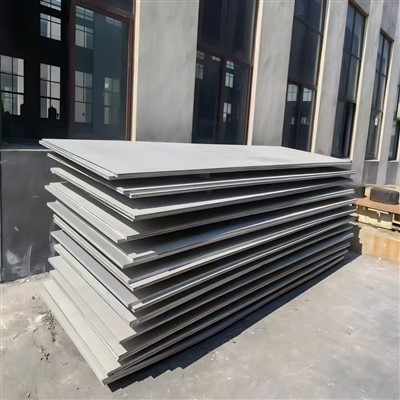

Stainless steel square pipes are widely used in various industries for their durability, corrosion resistance, and aesthetic appeal. However, cutting through stainless steel can be a challenging task due to its hardness. Whether you are a professional welder or a DIY enthusiast, knowing how to cut through stainless steel square tubes is essential. In this guide, we will explore different methods and tools that can be used for cutting through stainless steel with precision and efficiency.
1. Selecting the Right Tools:
Before you begin cutting, it's crucial to choose the appropriate tools for the job. Some common tools for cutting stainless steel pipes include:
Angle Grinder: An angle grinder equipped with a cutting wheel is a versatile tool for cutting through stainless steel. Ensure that you use a cutting wheel specifically designed for stainless steel to achieve clean and precise cuts.
Hacksaw: A hacksaw is a manual tool that can be used for cutting stainless steel square pipes. It is suitable for smaller projects and provides more control over the cutting process.
Circular Saw: If you are dealing with larger stainless steel pipes, a circular saw with a carbide-tipped blade designed for metal cutting can be effective.
Plasma Cutter: For professional and industrial applications, a plasma cutter offers high precision and efficiency. It uses a high-temperature ionized gas to cut through stainless steel.
2. Ensuring Safety:
Safety should be a top priority when working with stainless steel or any other metal. Before you start cutting, make sure to:
Wear Personal Protective Equipment (PPE): This includes safety glasses, gloves, and a face shield to protect yourself from sparks and debris.
Work in a Well-Ventilated Area: Cutting through stainless steel generates fumes, so it's essential to work in a well-ventilated space or use adequate ventilation equipment.
3. Marking and Measuring:
Accurate measurements and markings are crucial for achieving precise cuts. Use a measuring tape, square, and a marker to mark the cutting lines on the stainless steel square pipe. Double-check your measurements before making any cuts to avoid errors.
4. Using an Angle Grinder:
An angle grinder is a popular choice for cutting stainless steel due to its versatility. Follow these steps when using an angle grinder:
Secure the Pipe: Clamp the stainless steel square tube securely to a workbench or another stable surface to prevent it from moving during cutting.
Wear Safety Gear: Put on your safety gear, including safety glasses and gloves.
Set the Angle Grinder: Ensure that the angle grinder is equipped with a cutting wheel suitable for stainless steel. Adjust the guard to the appropriate angle for your cut.
Start Cutting: Turn on the angle grinder and slowly guide it along the marked cutting line. Apply consistent pressure and let the tool do the work. Avoid forcing the grinder through the metal.
5. Using a Hacksaw:
A hacksaw is a manual tool suitable for smaller projects. Follow these steps when using a hacksaw:
Secure the Pipe: Clamp the stainless steel square tube in a vise or secure it to a stable surface.
Wear Safety Gear: Put on safety glasses and gloves.
Start Cutting: Hold the hacksaw at a 45-degree angle to the pipe and start cutting along the marked line. Use long, smooth strokes, and let the saw do the work. Keep the saw blade lubricated with cutting oil to enhance its performance.
6. Using a Circular Saw:
For larger stainless steel pipes, a circular saw can be a more efficient option. Follow these steps:
Secure the Pipe: Clamp the stainless steel square pipe securely to a workbench or another stable surface.
Wear Safety Gear: Put on safety glasses and gloves.
Select the Right Blade: Use a circular saw blade specifically designed for cutting metal. A carbide-tipped blade is recommended for stainless steel.
Start Cutting: Turn on the circular saw and guide it along the marked cutting line. Apply consistent pressure and feed the saw at a steady pace to achieve a clean cut.
7. Using a Plasma Cutter:
For industrial applications and precision cutting, a plasma cutter is a powerful tool. Follow these steps:
Secure the Pipe: Clamp the stainless steel pipe in a fixed position to ensure stability.
Wear Safety Gear: Put on safety glasses, gloves, and appropriate clothing.
Set Up the Plasma Cutter: Adjust the settings on the plasma cutter according to the thickness of the stainless steel. Follow the manufacturer's instructions for proper setup.
Start Cutting: Activate the plasma cutter and guide it along the marked cutting line. The high-temperature ionized gas will melt through the stainless steel, producing a precise cut.
8. Finishing the Cut:
After making the cut, use a deburring tool or a file to remove any sharp edges or burrs on the cut surface. This step is essential for ensuring the safety of anyone handling the stainless steel square tube.
9. Cleaning Up:
Clean up the work area, removing any metal shavings or debris. Properly dispose of any waste materials, and store your tools in a safe and organized manner.
Conclusion:
In conclusion, cutting through stainless steel square pipes requires careful planning, the right tools, and a focus on safety. Whether you choose an angle grinder, hacksaw, circular saw, or plasma cutter, following the proper steps and safety precautions will help you achieve clean and precise cuts for your projects. Always refer to the manufacturer's guidelines for the specific tools and equipment you are using, and don't hesitate to seek professional advice if you are unsure about any aspect of the cutting process.
References:
Smith, John. "Metal Cutting Techniques." International Journal of Metalworking, vol. 25, no. 3, 2020, pp. 45-58.
Brown, Emma. "Safety Protocols in Metalworking." Occupational Safety and Health Journal, vol. 12, no. 2, 2019, pp. 78-89.
Williams, David. "Advancements in Stainless Steel Cutting Tools." Journal of Materials Engineering, vol. 40, no. 4, 2018, pp. 112-125.