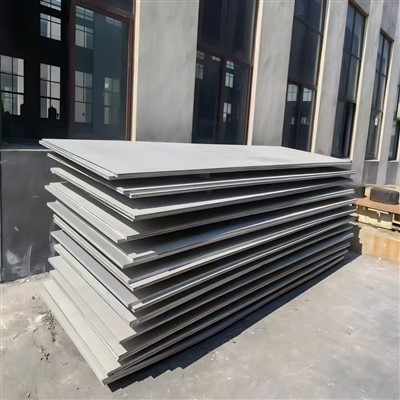

316 stainless steel is one of the most widely used austenitic stainless steels in industrial applications where corrosion resistance and durability are critical. Known for its excellent resistance to chloride environments and chemical corrosion, 316 stainless steel is commonly used in marine equipment, chemical processing plants, pharmaceutical facilities, and food processing industries.
Compared with 304 stainless steel, 316 stainless steel contains molybdenum, which significantly improves its resistance to pitting corrosion and crevice corrosion. This makes it particularly suitable for environments exposed to seawater, acidic chemicals, and high humidity conditions.
Due to its strong mechanical properties, excellent weldability, and long service life, 316 stainless steel is widely manufactured into pipes, tubes, plates, sheets, bars, and fittings for various industrial uses.
Chemical Composition of 316 Stainless Steel
The chemical composition of 316 stainless steel provides its corrosion resistance and mechanical strength.
| Element | Content (%) |
|---|---|
| Chromium (Cr) | 16.0 – 18.0 |
| Nickel (Ni) | 10.0 – 14.0 |
| Molybdenum (Mo) | 2.0 – 3.0 |
| Carbon (C) | ≤ 0.08 |
| Manganese (Mn) | ≤ 2.0 |
| Silicon (Si) | ≤ 1.0 |
| Phosphorus (P) | ≤ 0.045 |
| Sulfur (S) | ≤ 0.03 |
| Iron (Fe) | Balance |
The addition of molybdenum is the key factor that improves corrosion resistance compared with 304 stainless steel.
Mechanical Properties of 316 Stainless Steel
| Property | Value |
|---|---|
| Tensile Strength | ≥ 515 MPa |
| Yield Strength | ≥ 205 MPa |
| Elongation | ≥ 40% |
| Hardness | ≤ 95 HRB |
These properties make 316 stainless steel suitable for both structural and high-performance industrial applications.
Key Advantages of 316 Stainless Steel
Excellent Corrosion Resistance
316 stainless steel offers outstanding resistance to corrosion in chloride environments such as seawater and marine atmospheres.
High Temperature Resistance
The alloy maintains good mechanical strength and oxidation resistance at elevated temperatures.
Strong Chemical Resistance
It performs well in acidic environments including sulfuric acid, phosphoric acid, and organic chemicals.
Good Weldability and Fabrication
316 stainless steel can be easily welded, machined, and formed into different shapes without losing corrosion resistance.
Long Service Life
Due to its durability and resistance to corrosion, 316 stainless steel components often have a longer service life than many other metals.
Common Forms of 316 Stainless Steel Products
316 stainless steel is widely manufactured into various industrial products:
Stainless steel pipes and tubes
Stainless steel sheets and plates
Stainless steel bars and rods
Stainless steel coils and strips
Stainless steel fittings and flanges
Industrial valves and pumps
These products are available in multiple international standards such as ASTM, EN, and JIS.
Typical Industrial Applications
316 stainless steel is widely used in industries requiring high corrosion resistance:
Marine Engineering
Shipbuilding components, marine pipelines, and seawater equipment.
Chemical Processing
Chemical storage tanks, heat exchangers, and industrial reactors.
Food Processing Industry
Food production equipment, pipelines, and hygienic processing systems.
Pharmaceutical Manufacturing
Clean-room equipment, sterile processing systems, and medical machinery.
Oil and Gas Industry
Offshore platforms, piping systems, and refinery equipment.
316 vs 304 Stainless Steel
| Feature | 304 Stainless Steel | 316 Stainless Steel |
|---|---|---|
| Molybdenum Content | None | 2–3% |
| Corrosion Resistance | Good | Excellent |
| Chloride Resistance | Moderate | High |
| Marine Applications | Limited | Highly suitable |
| Cost | Lower | Higher |
Because of the molybdenum content, 316 stainless steel performs better in harsh and corrosive environments.
International Standards for 316 Stainless Steel
Common standards for 316 stainless steel include:
| Standard | Grade |
|---|---|
| ASTM | 316 / 316L |
| EN | 1.4401 / 1.4404 |
| JIS | SUS316 |
| UNS | S31600 |
These standards ensure consistent quality and mechanical performance in global industrial projects.
FAQ
What is 316 stainless steel?
316 stainless steel is an austenitic stainless steel containing chromium, nickel, and molybdenum. The addition of molybdenum significantly improves corrosion resistance, especially in chloride environments such as seawater and chemical processing systems.
What is the difference between 316 and 316L stainless steel?
The main difference is carbon content.
316L stainless steel has a lower carbon content (≤0.03%), which reduces carbide precipitation during welding and improves corrosion resistance in welded structures.
Why is 316 stainless steel more corrosion resistant than 304?
316 stainless steel contains 2–3% molybdenum, which enhances resistance to pitting corrosion and crevice corrosion, particularly in chloride environments such as marine or coastal areas.
Is 316 stainless steel suitable for marine environments?
Yes. 316 stainless steel is widely used in marine applications because it offers excellent resistance to seawater corrosion, salt spray, and humid coastal conditions.
What industries commonly use 316 stainless steel?
316 stainless steel is widely used in:
Marine engineering
Chemical processing plants
Oil and gas industry
Food processing equipment
Pharmaceutical manufacturing
Medical devices
Heat exchangers and industrial piping systems
What forms of 316 stainless steel products are available?
316 stainless steel is commonly produced in many industrial forms, including:
Stainless steel pipes and tubes
Stainless steel sheets and plates
Stainless steel coils and strips
Stainless steel bars and rods
Stainless steel fittings and flanges
Is 316 stainless steel easy to weld?
Yes. 316 stainless steel has excellent weldability and can be welded using common methods such as TIG, MIG, and arc welding. For heavy welding applications, 316L is often preferred to prevent carbide precipitation.
What is the temperature resistance of 316 stainless steel?
316 stainless steel performs well at elevated temperatures and maintains oxidation resistance up to approximately 870°C (1600°F) in intermittent service.
Is 316 stainless steel magnetic?
In the annealed condition, 316 stainless steel is generally non-magnetic. However, slight magnetism may occur after cold working or forming processes.
What international standards apply to 316 stainless steel?
Common global standards include:
ASTM A240 / ASTM A312
EN 10088 (1.4401 / 1.4404)
JIS SUS316
UNS S31600
These standards ensure consistent chemical composition and mechanical properties for industrial use.