


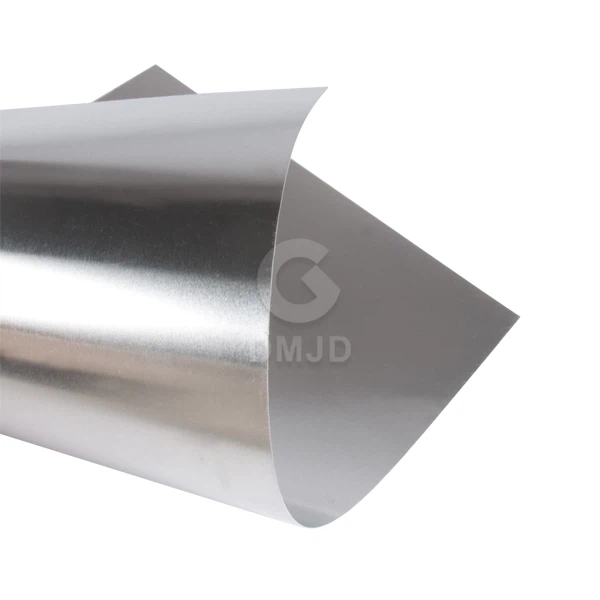
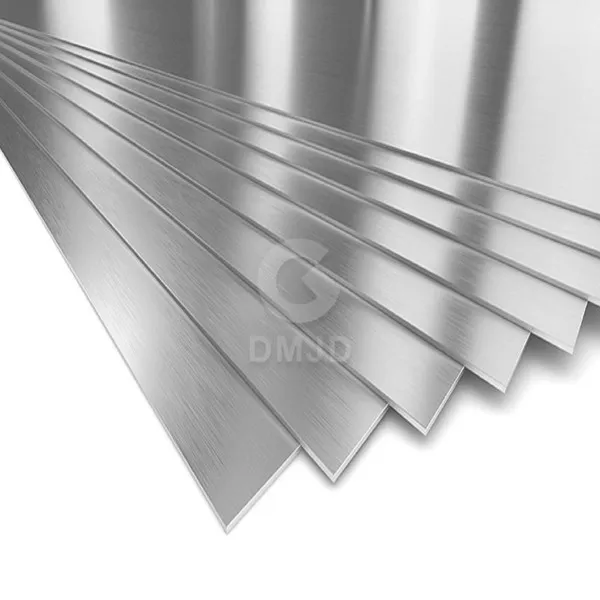
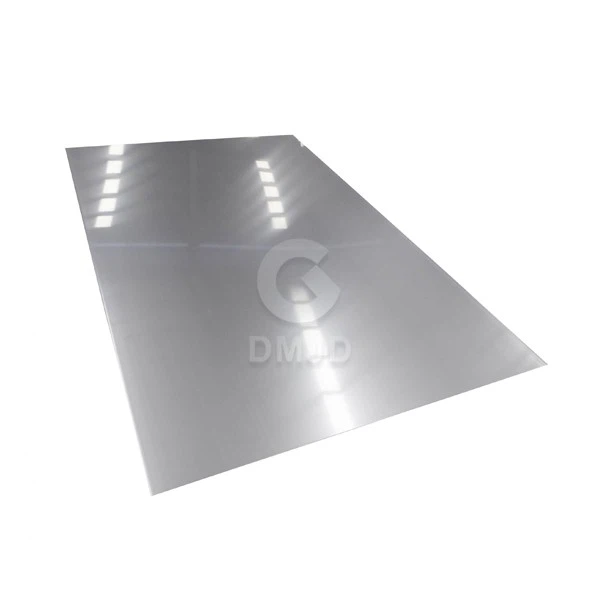
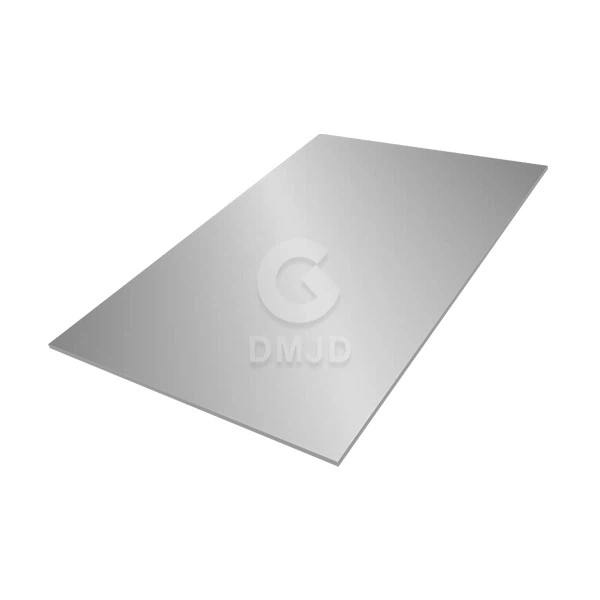
Xi'an Dongmeng Group Co., Ltd. is one of the most reliable manufacturers and suppliers of 0.2 mm stainless steel sheet in China, also supports customized service. With abundant experience, we warmly welcome you to wholesale cheap products in stock here and get free sample from our factory. For price consultation, contact us.
Products Description
Stainless steel is a popular material in the manufacturing industry, widely used in construction, automotive, and kitchenware. It is durable, corrosion-resistant, and easy to clean. Stainless steel sheets come in different thicknesses, and one of the thinnest is 0.2 mm. This article aims to provide a detailed introduction about specification, product content and market development trends of 0.2 mm stainless steel sheets.
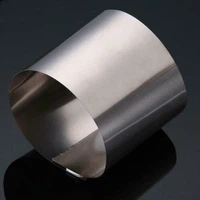
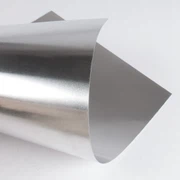
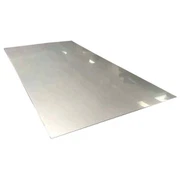
0.2 mm stainless steel sheets are thin and lightweight, making them easy to handle and install. They come in different grades, such as 304, 316, and 430, depending on their chemical composition and intended use. The most commonly used grade is 304, which has a good balance of strength, corrosion resistance, and cost-effectiveness. This kind of stainless steel sheets can be cut, bent, and formed into different shapes and sizes, making them suitable for various applications.
Specification
-
Material: Stainless steel (grade and type may be specified)
-
Thickness: 0.2 mm
-
Width: (specify as needed)
-
Length: (specify as needed)
-
Finish: (specify as needed, e.g. brushed, polished, etc.)
-
Tolerance: (specify as needed)
-
Other requirements: (specify any additional requirements such as flatness, corrosion resistance, etc.)
Here is an example of how this specification might be wrotten in English:
-
Material: Stainless steel (Type 304, 2B finish) Thickness: 0.2 mm Width: 1000 mm Length: 2000 mm Tolerance: +/- 0.05 mm Other requirements: Must be flat and have good corrosion resistance.
Market Overview
The global stainless steel market size was valued at USD 111.4 billion in 2020 and is expected to grow at a CAGR of 6.3% from 2021 to 2028. The demand for stainless steel sheets has been increasing over the years due to their excellent corrosion resistance, aesthetic appeal, and durability.
In 2020, the Asia Pacific region dominated the global stainless steel market, accounting for more than 50% of the market share. The demand for stainless steel in the region is driven by the growth of the construction, automotive, and manufacturing industries.
Development Trends
-
Increasing Demand for Stainless Steel Sheets in Construction Industry:
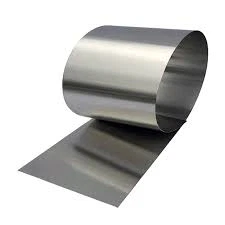
The construction industry is one of the major end-users of stainless steel sheets. The use of stainless steel sheets in construction provides durability, corrosion resistance, and aesthetic appeal. With the growth of the construction industry, the demand for stainless steel sheets is expected to increase.
-
Growing Demand for Stainless Steel Sheets in Automotive Industry:
The automotive industry is another major end-user of stainless steel sheets. The use of stainless steel sheets in the automotive industry provides strength, durability, and corrosion resistance. With the increasing demand for electric vehicles and lightweight vehicles, the demand for stainless steel sheets is expected to grow.
-
Technological Advancements in Stainless Steel Manufacturing:
The manufacturing of stainless steel sheets has undergone significant technological advancements over the years. These advancements have led to the development of high-quality stainless steel sheets that offer improved corrosion resistance, strength, and durability. With the increasing demand for high-quality stainless steel sheets, manufacturers are expected to invest in R&D to develop new and improved products.
-
Increasing Use of Stainless Steel Sheets in Food Processing Industry:
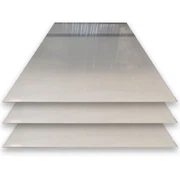
Stainless steel sheets are widely used in the food processing industry due to their excellent corrosion resistance and hygienic properties. With the growing demand for processed food and the increasing focus on food safety and hygiene, the use of stainless steel sheets in the food processing industry is expected to increase.
-
Growing Demand for Environmentally Friendly Products:
With the increasing focus on sustainability and environmental protection, there is a growing demand for environmentally friendly products. Stainless steel sheets are 100% recyclable and have a long lifespan, making them an eco-friendly choice for various applications. With the growing demand for eco-friendly products, the demand for stainless steel sheets is expected to increase.
In a word,The demand for 0.2mm thick stainless steel sheets is expected to grow in the coming years due to their excellent corrosion resistance, durability, and aesthetic appeal. With the growth of the construction, automotive, and manufacturing industries, the demand for stainless steel sheets is expected to increase. Technological advancements in stainless steel manufacturing, the increasing use of stainless steel sheets in the food processing industry, and the growing demand for environmentally friendly products are some of the development trends in the market. Manufacturers are expected to invest in R&D to develop new and improved products to meet the growing demand for high-quality stainless steel sheets.
Conclusion
In conclusion, 0.2 mm stainless steel sheets are thin and lightweight, suitable for various applications in different industries. The market for stainless steel sheets is expected to grow due to the increasing demand for durable and corrosion-resistant materials in construction, automotive, and kitchenware industries. The Asia-Pacific region is expected to be the largest market for stainless steel sheets due to its economic growth and increasing construction activities. The future looks promising for the stainless steel sheet industry, and companies should focus on innovation and sustainability to stay competitive.
|
|
|
|
Related Products
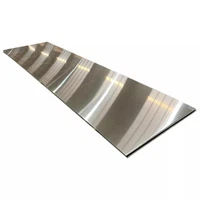
Duplex Stainless Steel Sheet: Duplex stainless steel sheet is a type of steel that is widely used in various industries, especially in the chemical and petrochemical sectors, due to its excellent corrosion resistance properties. This type of steel is characterized by its high strength, good weldability, and good formability, which makes it suitable for a wide range of applications.
420 Stainless Steel Plate: 420 stainless steel plate is a high carbon martensitic stainless steel with moderate corrosion resistance and good strength and hardness. It is commonly used in applications that require high strength and wear resistance, such as cutlery, surgical instruments, and molds.
316l Stainless Plate: 316L stainless plate is a stainless steel material with high corrosion resistance and high temperature strength. The chemical composition contains elements, such as chromium, nickel and molybdenum, which can resist the corrosion attack of chloride and sulfate, and has excellent wear resistance, heat resistance and welding performance. It is widely used in chemical industry, marine engineering, medical equipment, food processing, paper making, shipbuilding, construction and other fields.
Pvd Color Coated Stainless Steel Sheet: PVD (Physical Vapor Deposition) color coated stainless steel sheet is a type of decorative stainless steel sheet that has a colored coating applied to its surface using a PVD process. During the PVD process, a high-purity solid coating material is vaporized in a vacuum chamber, and then deposited onto the stainless steel sheet in a controlled manner. This produces a thin, highly adherent coating that is resistant to wear, corrosion, and fading.
Black Stainless Steel Sheets: Black stainless steel plate is an important material used in the manufacture of industrial products, and its market trends are often related to the growth and contraction of the manufacturing industry. If manufacturing grows, industrial demand will increase and market trends will rise accordingly.
Oem Custom Sheet Metal Fabrication Stainless Steel: OEM (Original Equipment Manufacturer) custom sheet metal fabrication refers to the process of producing sheet metal components or products according to the specifications and requirements of a particular company or brand. In this context, "stainless steel" is the material of choice for the fabrication. It is commonly used in various industries, including automotive, aerospace, electronics, construction, and more.
Hot Tags: 0.2 mm stainless steel sheet, China 0.2 mm stainless steel sheet manufacturers, suppliers, factory, 316 2b Stainless Steel, 20 Gauge 316 Stainless Steel Sheet, SS 316 Sheet Price Per KG, Factory Wholesale High Quality 201 430 304 316 Stainless Steel Plate Sheet, 14 Inch 316 Stainless Steel Plate

