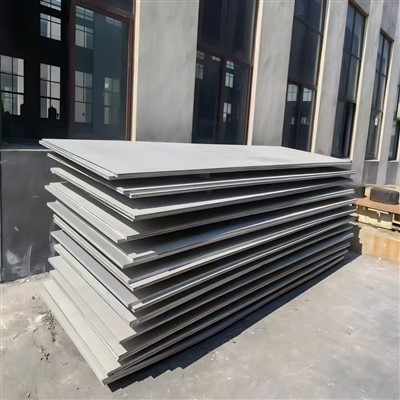

What is sandblasted stainless steel?
Stainless steel is a widely used material in various industries due to its durability, corrosion resistance, and aesthetic appeal. One of the popular finishes applied to stainless steel surfaces is sandblasting. Sandblasting is a surface treatment technique that involves the use of abrasives propelled under high pressure to clean, smooth, or etch a surface. In the case of stainless steel, sandblasting creates a unique, matte finish known as sandblasted stainless steel. In this article, we will delve deeper into the process of sandblasting stainless steel, its applications, and the benefits it offers.
The Sandblasting Process
Sandblasting stainless steel involves the following steps:
Preparation: Before starting the sandblasting process, it is vital to prepare the stainless steel surface adequately. This typically involves removing any contaminants, such as grease, dirt, or rust, using cleaners or solvents.
Abrasive selection: The choice of the abrasive material depends on the desired result and the nature of the stainless steel surface. Common abrasives used for sandblasting stainless steel include aluminum oxide, silicon carbide, glass beads, and steel grit.
Equipment setup: Sandblasting requires specialized equipment, including a blasting cabinet, an air compressor, a blasting gun, and an abrasive material reservoir. The equipment setup may vary depending on the scale and complexity of the sandblasting project.
Blasting process: Once the surface is prepared and the equipment is set up, the sandblasting process begins. The operator directs the abrasive material from the blasting gun onto the stainless steel surface under high pressure. The force of the abrasives impact the surface, removing any unwanted material and creating a textured finish.
Cleaning and inspection: After the sandblasting is complete, the stainless steel surface needs to be thoroughly cleaned to remove residual abrasive material. This ensures a clean and pristine finish. Additionally, the surface is inspected for imperfections, such as rough spots or unevenness, which may require further treatment or adjustments.
Protection: To maintain the sandblasted finish and protect the stainless steel from corrosion, a protective coating or treatment can be applied. This may involve applying a clear sealer, using a passivation process, or electroplating the surface.
Applications of Sandblasted Stainless Steel
Sandblasted stainless steel finds numerous applications across various industries. Some common applications include:
Architectural and interior design: Sandblasted stainless steel is often used in architectural and interior design projects. It provides a unique texture and aesthetic appeal to structures, furniture, handrails, door handles, and other decorative elements.
Signage and branding: Sandblasted stainless steel is a popular choice for creating signs and brand logos. The sandblasted finish can enhance the visibility and readability of signage while adding a touch of sophistication.
Kitchen appliances: Many high-end kitchen appliances feature sandblasted stainless steel finishes. The sandblasted texture adds a visually pleasing element to appliances such as refrigerators, ovens, and range hoods.
Automotive and transportation: Sandblasted stainless steel is utilized in the automotive and transportation industry for various components, including exhaust systems, fuel tanks, and decorative trims. The sandblasted finish can withstand harsh outdoor conditions and maintain its appearance over time.
Benefits of Sandblasted Stainless Steel
Sandblasted stainless steel offers several advantages compared to other surface finishes. These benefits include:
Enhanced aesthetics: The sandblasted finish provides a distinct texture and visual appeal to stainless steel surfaces. It can add depth and character to various applications, making them stand out.
Improved durability: Sandblasting stainless steel enhances its durability by removing any impurities or weak surface layers. The resulting surface is more resistant to scratches, corrosion, and wear, thereby prolonging the lifespan of the material.
Better adhesion: The textured surface created by sandblasting improves the adhesion of coatings and paints. This ensures a better bonding between the stainless steel surface and the protective or decorative layer, making it more resistant to chipping or peeling.
Ease of maintenance: Sandblasted stainless steel surfaces are generally easier to clean and maintain compared to other finishes. The textured surface helps conceal fingerprints, smudges, and minor scratches, making it suitable for high-traffic areas.
Conclusion
Sandblasted stainless steel is a versatile and visually appealing surface finish that finds applications in various industries. The sandblasting process involves the use of abrasives under high pressure to create a unique matte texture on stainless steel surfaces. This finish enhances the durability, aesthetics, and adhesion properties of stainless steel, making it an ideal choice for architectural, design, automotive, and kitchen applications. With its numerous benefits and distinctive appearance, sandblasted stainless steel continues to be a popular choice for those seeking a durable and visually appealing finish.